Drain Cleaning in Albuquerque, NM
How the High Desert Puts Albuquerque Drains to the Test
Albuquerque sits at 5,000 feet along the Rio Grande, where dry air, mineral-heavy groundwater, and shifting desert soil create a unique set of challenges for drain lines. The city's water supply draws from deep aquifer wells carrying elevated calcium and magnesium - rated "very hard" by USGS standards. That mineral content leaves scale deposits inside pipes year after year, gradually narrowing the diameter until flow slows and backups begin. Even well-maintained homes in Nob Hill, the Northeast Heights, and the North Valley deal with stubborn drain buildup that store-bought solutions cannot clear.
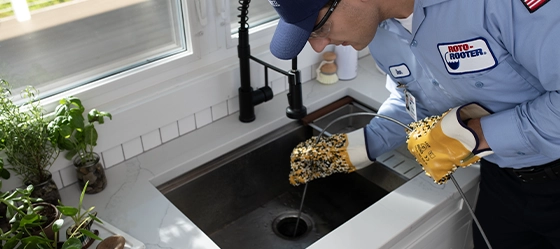
Roto-Rooter has provided professional drain cleaning across the country since 1935. Our experienced plumbing technicians use professional-grade equipment to clear blockages fast and identify the underlying cause so the same problem does not return.
Call 505-944-7244 or schedule service online.
What Makes Albuquerque Drains Fail
The combination of hard water, caliche-heavy soil, and mature landscaping that reaches deep for moisture makes Albuquerque drain systems especially vulnerable. Many homes built during the city's mid-century expansion still rely on original cast iron or clay tile pipes that were never designed to handle decades of mineral scale accumulation.
- Hard water mineral scale: Albuquerque's aquifer-sourced water contains high concentrations of calcium and magnesium that deposit as limescale on interior pipe walls, creating rough surfaces where grease, soap residue, and debris accumulate. Homes in the Northeast Heights and Nob Hill - where pipes have carried hard water for decades - are especially affected.
- Tree root intrusion: Cottonwoods along the Rio Grande bosque, elms in the North Valley, and Russian olives throughout older neighborhoods send roots deep underground seeking moisture. Those roots penetrate cracks in aging clay tile and cast iron pipe joints, forming dense blockages that grow worse each season.
- Caliche and shifting soil: Albuquerque's subsurface contains layers of caliche - a calcium carbonate hardpan common across the high desert. This rigid layer shifts unevenly during dry spells and monsoon saturation, creating pipe bellies, offset joints, and stress fractures in buried drain lines.
- Grease and sediment buildup: Cooking grease solidifies faster in low-humidity desert air, coating pipe walls and trapping food particles. Fine desert sediment adds grit to the mix.
- Aging pipe materials: Homes in Old Town and the surrounding historic neighborhoods retain original clay tile sewer lines that are 70 to 100 years old. Cast iron pipes in mid-century Northeast Heights homes corrode internally, shedding rust flakes that combine with mineral scale and create persistent obstructions.
Call 505-944-7244 or book online for a professional assessment.
Neighborhoods Served Across Albuquerque
Our drain cleaning technicians respond across the Albuquerque metro with fully equipped service vehicles ready to handle any blockage on the first visit.
- Nob Hill and the University area: Homes dating to the 1920s through the 1950s with original clay tile and early cast iron drain lines. Mature elm and ash trees along residential streets create persistent root intrusion issues, and decades of hard water flow have left heavy mineral scale inside aging pipes.
- Northeast Heights: Mid-century subdivisions with cast iron and early PVC plumbing installed in the 1950s and 1960s. Interior corrosion caused by Albuquerque's mineral-heavy water narrows pipe diameter over time, leading to slow drains and recurring backups.
- Old Town and the North Valley: Some of the oldest residential plumbing in the city. Adobe-era homes feature clay tile sewer lines that have exceeded their expected lifespan. Cottonwood roots along the Rio Grande bosque aggressively target these deteriorating connections.
- Westside and Rio Rancho: Newer PVC drain systems less prone to root intrusion but still affected by hard water scale and grease accumulation.
What to Do During a Drain Emergency in Albuquerque
A backed-up drain can escalate quickly, especially during monsoon season. Taking the right steps before a technician arrives helps minimize water damage.
- Stop using water: Turn off faucets, dishwashers, and washing machines to prevent the backup from spreading further into your home.
- Check other fixtures: If multiple drains back up simultaneously, the blockage is likely in the main sewer line.
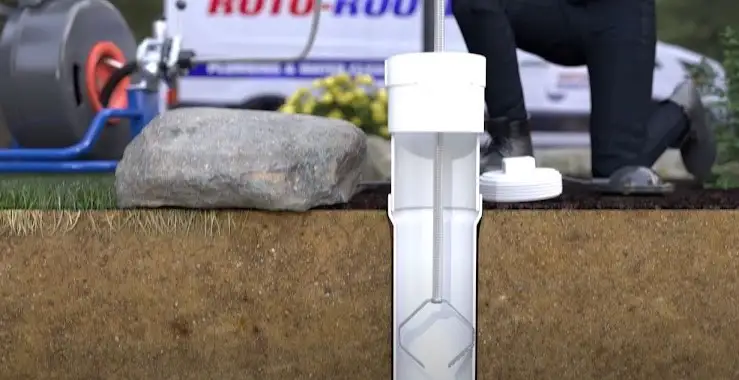
- Locate the cleanout: Most Albuquerque homes have a cleanout access point in the yard, usually near the foundation. Opening it can relieve pressure while you wait.
- Call 505-944-7244: Roto-Rooter responds 24/7, 365 days a year across Albuquerque with fully equipped service vehicles ready to clear the blockage on the first visit.
Operated as an Independent Franchise - All available services, hours of operations, pricing structure, and guarantees may vary by location
Serving the entire Albuquerque metro area, Including:
Counties in the Albuquerque Metro Area
Protecting Your Drains in the High Desert
Albuquerque's hard water and desert conditions mean proactive maintenance goes further here than in most cities.
- Schedule annual drain cleaning: Yearly professional cleaning removes mineral scale and grease before they create full blockages. Homes with mature trees near sewer lines or pre-1970 plumbing benefit from service every six months.
- Keep grease out of kitchen drains: Cooking grease solidifies faster in dry desert air. Wipe pans with a paper towel before washing and dispose of cooled grease in a sealed container.
- Consider a water softener: Reducing mineral content at the source slows scale buildup inside all drain and supply pipes.
- Watch landscaping placement: Keep trees and large shrubs at least 10 feet away. Cottonwoods, elms, and Russian olives are particularly aggressive toward underground moisture sources.
- Address slow drains early: A slow drain signals a developing blockage. Clearing it early prevents complete backups that can cause water damage.
Same-Day Drain Cleaning in Albuquerque
SPECIAL FINANCING AVAILABLE
We have partnered with Synchrony Bank to offer financing options to make your plumbing repair expenses as convenient and stress-free as possible.