Commercial Backflow Services
Commercial backflow preventer services include the testing, repair, installation, and replacement of backflow prevention assemblies that protect the public water supply from contamination. Keeping these systems functioning properly is essential for protecting employees, customers, and operations while helping businesses maintain a safe, reliable water supply.
Tell us what your property needs and share any notice from your water supplier. We can help identify the next step and confirm service availability for your location.
Proudly offering 24/7 emergency services and same-day availability.
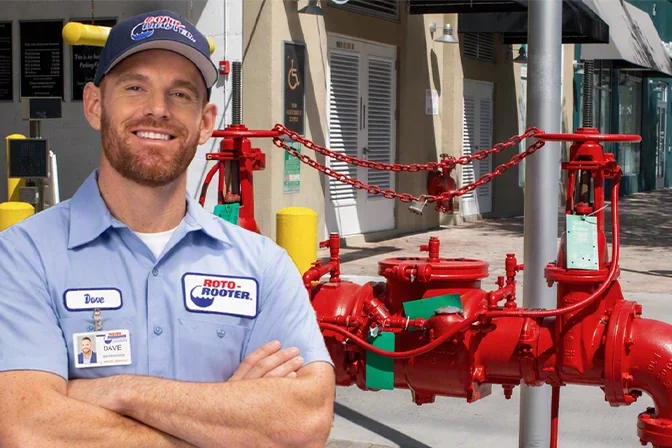
Roto-Rooter Difference in Backflow Prevention Services
- Experienced background-checked technicians trained to meet the certification requirements for your state or local water authority
- Nationwide coverage, with every job handled by someone who knows the local code that applies to your specific property
- Partnerships with trusted device manufacturers so replacement parts and full units are sourced correctly the first time
- We will provide and coordinate the delivery of documentation to your business’ local water authorities.
Backflow Services for Commercial Properties
Roto-Rooter provides commercial backflow services such as backflow testing, installation, repair, and replacement for restaurants, healthcare facilities, food service operations, car washes, irrigation systems, manufacturing sites, and any commercial property with a cross-connection risk.
Backflow is the unwanted reversal of water through a cross-connection. The protection a property needs depends on the connection, its hazard and the requirements set by the responsible authority. Roto-Rooter helps businesses and facility teams address existing equipment and plan new installations.
Backflow Testing
A functional test checks the operation of an installed, testable assembly. Share your testing notice and prior report when scheduling so the service team can discuss the required procedure and documentation. Learn about commercial backflow testing.
Backflow Installation
A new building, new equipment or a change in use may need backflow protection. Installation starts with the connection and its hazard, then accounts for the approved device, water demand, access and site conditions. Roto-Rooter can discuss a suitable installation and the testing or inspection that may follow. Explore backflow installation.
Backflow Inspection
An inspection assesses visible condition, access and installation concerns around a preventer. Leakage, corrosion, freeze damage or changes to connected equipment can point to a need for further evaluation. A visual inspection does not replace a required functional test. Read about commercial backflow inspection.
Backflow Replacement
Replacement may be appropriate when an assembly is damaged beyond effective repair, repeatedly fails testing or no longer provides the protection required for the connection. The service team can assess the existing equipment and explain the options before work begins. Device condition and applicable requirements matter more than age alone.
Frequency of Issues: Repeat issues with your backflow prevention device, such as leaks, reduced water pressure, or visible signs of wear, replacing the assembly may be a more cost-effective solution than ongoing repairs.
Building Use Change: If your building’s use changes, such as transitioning from a standard office environment to a medical, laboratory or other high-hazard facility. Also in the case that local plumbing regulations are updated, you may be required to install a higher level of backflow protection.
Backflow Repair
A failed test, persistent leak or damaged component calls for diagnosis. Depending on the assembly, repair can involve cleaning or replacing internal components, followed by the testing required for that device and jurisdiction. Learn about backflow preventer repair.
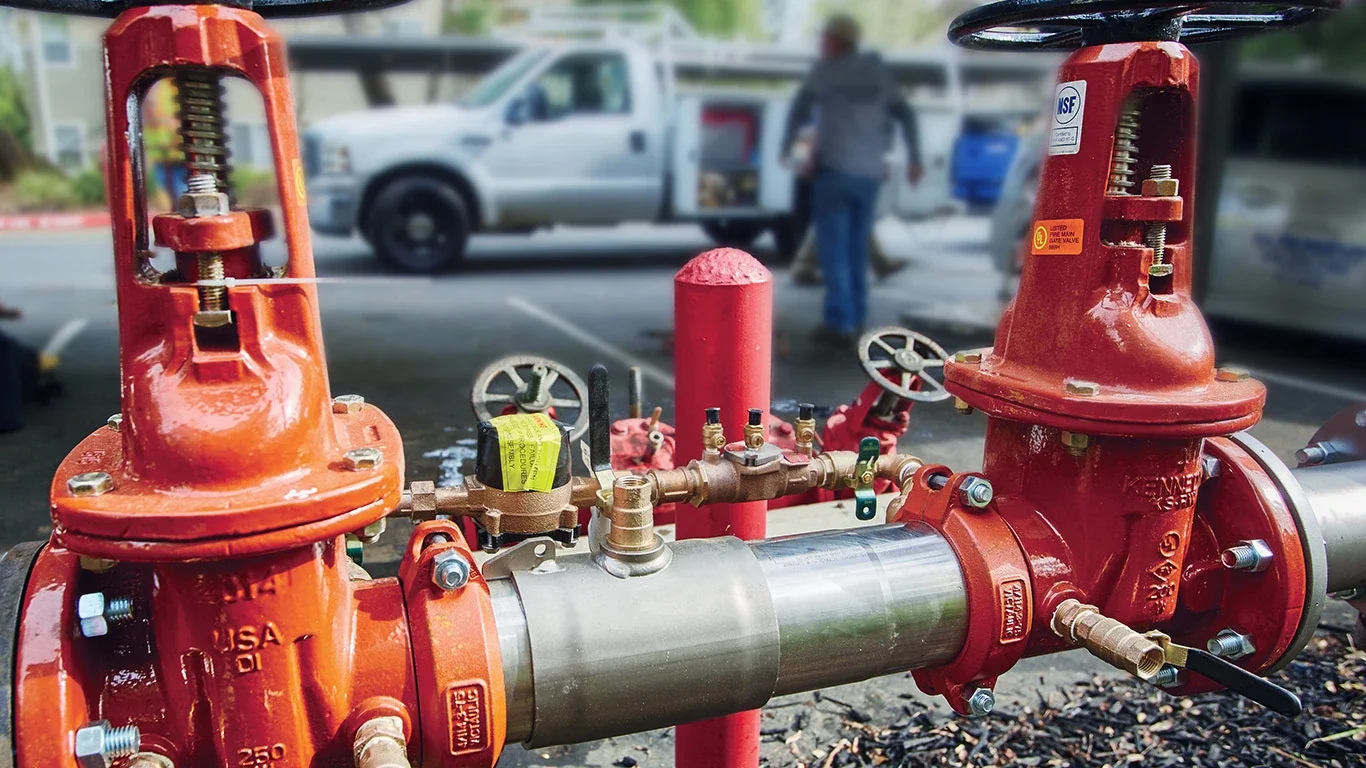
Types of Commercial Backflow Preventers
Backflow Resources

Learn More About Backflow Prevention
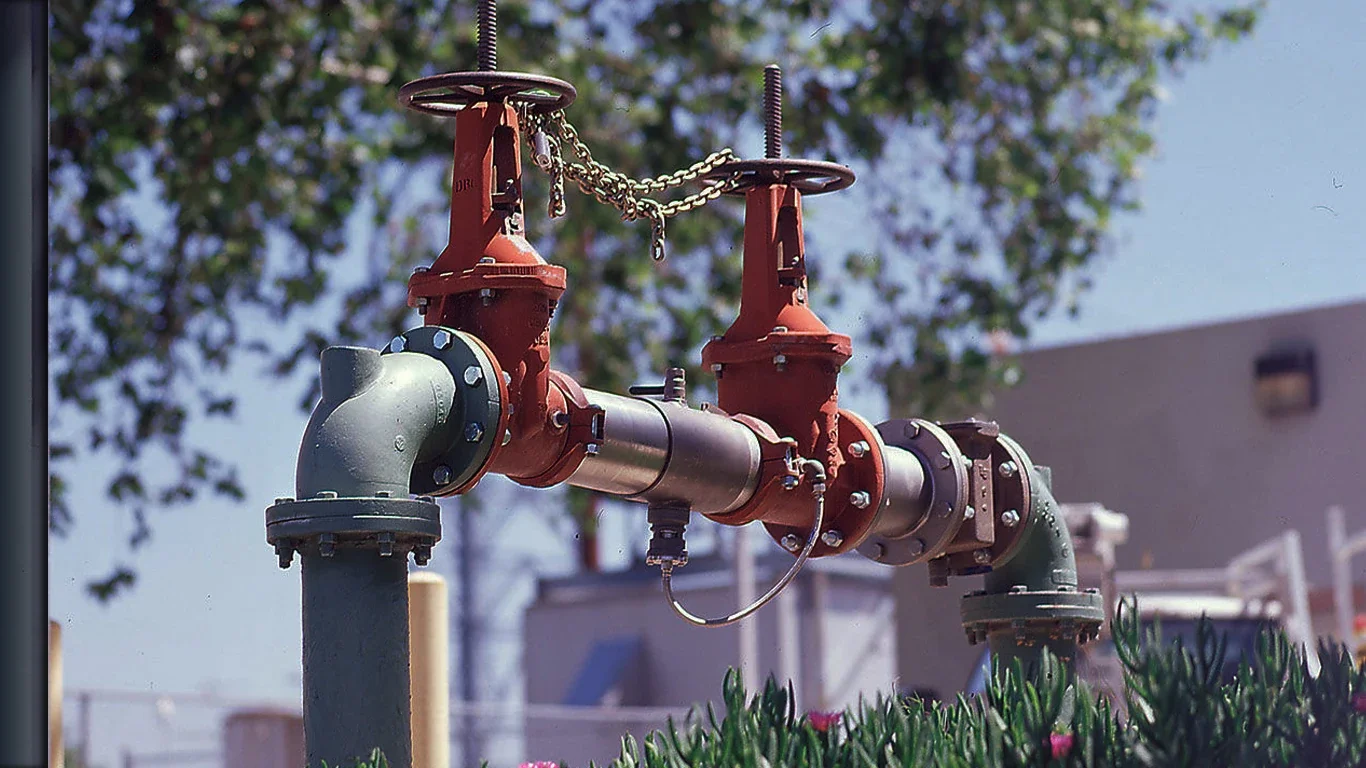
Backflow Services - Customer Reviews
Commercial Backflow Services FAQs
What requirements apply to commercial backflow services?
Commercial backflow service requirements depend on your property's connection, equipment and water provider. Your water supplier or local authority sets the approved protection, testing schedule, tester qualifications and reporting rules. Share any current backflow notice when arranging service so the team can discuss the work and documentation your property needs.
What commercial backflow services does Roto-Rooter offer?
Roto-Rooter's commercial backflow services include help with testing, inspection, installation, repair and replacement. The right service depends on the assembly and the concern at your property. Contact your local team to confirm available backflow services, describe any problem and share water-provider instructions so the next step can be discussed.
When does a property need backflow installation services?
Backflow installation services may be needed for new construction, new equipment or a change in how a commercial property uses water. Installation can also replace an assembly that no longer suits the connection. Discuss the equipment, potential hazard and water-provider instructions with your service team before selecting an assembly and planning the work.
What problems call for backflow repair services?
Backflow repair services may be needed after a failed test, persistent leak or damage to an assembly. These signs call for evaluation before deciding which components need work. Describe the problem and share the test report when arranging service. An RPZ relief valve can discharge for different reasons, so never plug its opening to stop water.
When should I schedule commercial backflow services?
Schedule commercial backflow services when a test or inspection is due, a water-provider notice arrives, or equipment develops leakage or damage. Plumbing changes and new water-using equipment can also warrant a review. Contact your local team with the deadline and your concerns so available services and the appropriate next step can be discussed.