Sump Pump Repair and Installation in Aurora
Key Takeaways: Where Sump Pit Water Comes From in a Semi-Arid Market
- This part of Colorado sees roughly fifteen inches of precipitation in a normal year and the groundwater table sits well below the lower level, so a pit that fills week after week is being fed by something specific rather than by rising ground water.
- Landscape irrigation is the largest volume of applied water on most Front Range lots. A zone that throws against the wall of the house loads the perimeter drain on a timer, right through the growing season.
- Backfill settles for decades. A strip of ground that has sunk back toward the wall turns every downspout and every melt into a delivery system aimed at the drain tile.
- Expansive claystone underlies much of Aurora and swells as it takes on moisture, which is why the perimeter drain and the pit were engineered into the house at all. Holding the soil at a steady moisture content matters here even in a dry year.
- Equipment that sits unused for months meets the wet season with a stiff float switch, a dried seal and sediment on the intake screen. Long idle stretches are their own kind of wear.
- Wet spring snow pulls limbs onto power lines during the exact hours the pump is needed, which is the case for a battery backup in a market that does not flood much.
- Roto-Rooter is fully licensed and insured and answers across Aurora 24/7, 365 days a year.

Aurora sits out on the high plains east of the foothills, in a climate dry enough that lawns need watering from May onward and wet enough for a serious thunderstorm maybe a dozen afternoons a summer. The groundwater table under most of the city is nowhere near a basement floor. That raises a question worth asking before anybody quotes a new pump: if the ground here is dry, what is filling the pit?
The answer is usually water that arrived by way of the house or the yard rather than out of the aquifer, which makes this service a diagnosis as much as a repair. It also means a homeowner in Aurora has more leverage over how hard the equipment works than one in a wet climate has.
Why is my sump pump running when it has not rained?
Start with the sprinkler system. A head knocked out of alignment, a zone that runs long on Colorado clay that cannot absorb it, or a drip line laid along the foundation will all put water in the ground beside the wall, and the perimeter drain then does exactly what it was built to do. Next look at the downspouts, because an extension that stops two feet short discharges onto backfill, the loosest and most permeable soil on the property. Then look at the grade itself: a swale that once carried water away can settle until it carries water back.
Seasonal causes are real and they are shorter. A wet spring snow melting over two warm days delivers a month of moisture in forty-eight hours, and a slow plains thunderstorm drops more rain on baked ground than that ground will take, so the excess travels sideways until it finds something below grade. Neither one explains a pump that cycles daily in July.
Sump Pump Parts That Fail After a Long Dry Spell
A float switch that has hung in one position since last spring can bind against the pit wall or its own tether, and a pump that never gets the signal looks exactly like a pump that is dead. Sediment settles out of standing water and crusts the intake screen, so the motor runs and moves very little. A seized impeller announces itself with a hum instead of silence. A failed check valve lets the column of water in the discharge line fall back the moment the motor stops, so the pit refills, the pump restarts, and the cycling grinds through a duty cycle that had years left in it.
The fifth failure is not a failure of the pump. The power goes out and the pit fills at whatever rate the ground is delivering while a healthy motor sits there with no electricity. Nothing about that shows up in an inspection of the equipment, which is why it catches people.
Serving Aurora and surrounding communities, Including:
Counties in the Aurora Area
Fixing the Inflow Before Fixing the Pump
In a market where the water table does the work, inflow to a pit is a given and the equipment is the only variable. Aurora is not that market. Here the inflow is usually a short list of specific things, and walking that list is the first honest step of the job. After the pump has run, go outside and look at the ground within a few feet of the wall: sprinkler heads aimed at the house, downspout extensions that stop short, window wells with no drainage, and any place the soil has settled into a low strip along the foundation.
Some of what turns up out there is a landscaping matter rather than a plumbing one, and it is worth being straight about that. Roto-Rooter is not going to regrade a yard or waterproof a foundation. What a technician can do is tell you which of those things is loading the pit, so the money goes where the water is coming from instead of into a bigger motor that runs more.
The Discharge Line and the Cold-Night Problem
Everything the pump lifts has to end up somewhere, and where decides whether the water leaves or comes around again. A line terminating a few feet from the wall in clay soil is pouring water onto the least absorbent ground on the lot, directly above the drain tile that will carry it back. The pit refills, the pump runs, and the same gallons go around the loop until something wears out. The line needs enough distance and enough fall to be genuinely rid of the water.
The check valve on that line is the small part that stops the standing column from dropping back into the pit each time the motor cuts out. When it fails the pump short cycles, and short cycling is what kills motors early. Through a Colorado winter the same line needs a termination that will not ice over on a clear night. Aurora sits above five thousand feet, where thin dry air lets heat radiate away after dark, so a line can run fine at four and be plugged with ice by seven. A blocked outlet turns a healthy pump into a pump with nowhere to send anything.
A Pit That Sits Half Empty for Months
Pit size gets chosen once and then lived with. Too small, and water arrives faster than the pump can comfortably clear, so it starts and stops constantly and burns through the duty cycle it was rated for. Too large, and in a climate like this one the water simply sits, goes stale, drops sediment onto the intake and the float switch, and leaves a residue that makes each start harder than the last.
Long idleness is the specific hazard in eastern Colorado. A pump can go most of a year without a real call on it here, so the useful habit is knowing your own baseline: how long the motor normally runs after a heavy irrigation cycle or a spring melt. When that run time changes, the change is the diagnosis, and it arrives well before water on the floor does.
What a Battery Backup Covers on the Front Range
The heavy wet snow that makes this equipment run is the same weather that pulls limbs onto power lines, so the outage and the water tend to show up together. A battery backup is a second pump with its own power source, and it is the most common gap in houses across Aurora that have had a working primary for years. It carries the pit through an outage measured in hours rather than days, and how many hours depends on how fast the water is coming in. It is not a substitute for replacing a primary that is failing, and no pump of any kind keeps water away from the house. It manages the water that reaches the pit.
Test It With a Bucket, Twice a Year
Pour water slowly into the pit until the float switch lifts. The pump should start on its own, clear the pit, and shut off cleanly without kicking back on a second later. Listen for a hum with nothing moving. Watch the level right after shutoff, because if it jumps straight back up the check valve is the suspect. Do this before the spring melt and again before the sprinklers go on for the season, the two moments the equipment is about to be asked for something.
What the bucket cannot tell you is whether the pump keeps up under a real load, whether the discharge line is clear along its whole length, or whether the system has power when the grid does not.
Where a Pump Stops Being the Answer
Repair, replacement, new installation, backup systems, discharge line work and diagnosis of the whole pit are inside what Roto-Rooter does. Foundation waterproofing, exterior excavation and structural repair are not, and any plumbing company in Aurora offering to solve a water intrusion problem by selling a larger motor is selling the wrong thing. A sump pump manages water that reaches the pit and does not keep water away from the house, and an honest description of one never claims otherwise.
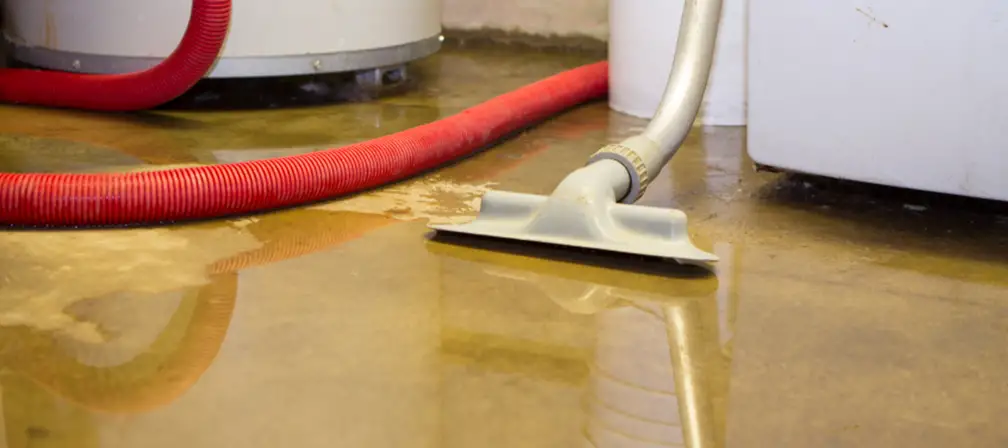
Where water has already come inside, cleanup is its own trade. See Aurora water damage restoration for that work, and the Aurora plumbers page for everything else we handle here.
Book a Sump Pump and Inflow Check in Aurora
Have the pit, the float switch, the check valve and the discharge line looked at together, along with whatever is putting water in the ground outside. Call 303-202-3010 or schedule online. Roto-Rooter has been in the trade since 1935, is fully licensed and insured, provides on-site estimates before any work begins, and answers 24/7, 365 days a year, which matters for a piece of equipment that picks its own hours. That is the plumbing peace of mind worth having before the melt rather than during it.

Six Signals From the Pit and What Each One Means
Claystone, Snowmelt and the Sprinkler Zone Nobody Suspects