Plumbing Excavation in Carmel
A damaged underground line can call for a repair that drain cleaning cannot complete. Roto-Rooter offers plumbing excavation in Carmel. We can assess the line and explain the direct access, pipe work and site planning that the findings support.
Call 317-844-4513 or request plumbing excavation online.
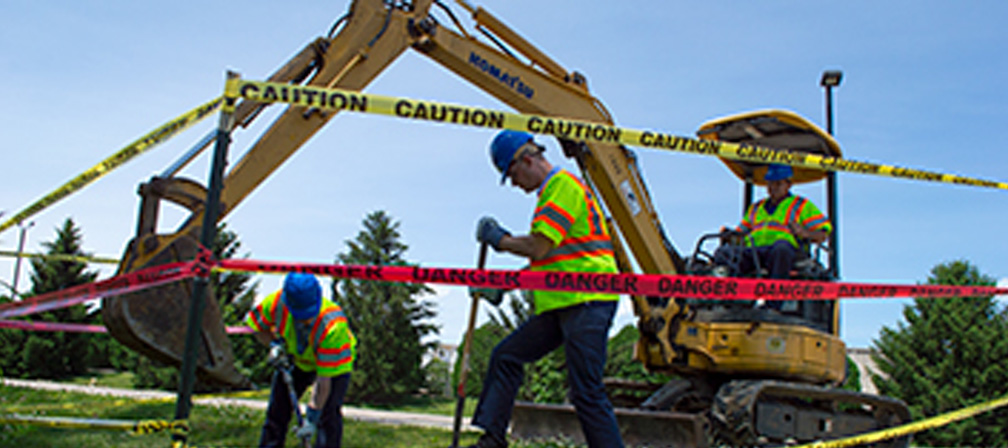
Understand the Difference Between Clearing and Repair
Cleaning removes an obstruction. It does not reconnect a separated section or rebuild collapsed piping. Accessible sewer inspection can help show visible conditions and inform the repair discussion. Share prior reports and any changes in the symptoms since earlier work.
The proposed excavation should identify the repair purpose and the area it is intended to reach.
Relate the Defect to the Current Complaint
A report describing damage provides a starting point for the repair discussion. Explain what has happened since that inspection, including another cleaning visit or a change in the fixtures affected. A previous finding should be considered with the present condition rather than used on its own to choose the extent of new work.
Ask which parts of the line could be examined and whether any obstruction limited the view. A recommendation can identify a confirmed defect while still explaining what is unknown farther along the piping.
Serving Carmel and surrounding communities, Including:
Counties in the Carmel Area
Understand the Pipe Repair and Its Boundaries
Have the damaged section and proposed connections explained before you agree to the work. A focused repair and replacement of a longer run need different access and create different finishing questions. The scope should follow the identified damage and condition of the adjoining piping.
Ask which fixtures will need to stay out of use during the repair. If several occupants share the line, the access and plumbing-use discussion should account for that arrangement rather than assume the work affects only the first room where a backup appeared.

Access Planning for Carmel Excavation
Agree on What the Project Includes

Frequently Asked Questions
Can clearing reconnect a separated sewer section?
No. Drain clearing removes an obstruction; it does not reconnect a separated sewer section. An accessible inspection can help explain the damage and support the repair discussion. The recommended pipe work should address the confirmed defect rather than assume improved flow has restored the connection.
What should the excavation plan identify?
A plumbing excavation plan should identify the confirmed pipe concern, the repair or replacement recommended and the area that needs to be opened. It should also address access, utility locating, applicable permits and the finishing scope. That connects the digging to a defined plumbing purpose.
Are landscaping tasks part of every excavation project?
No. Landscaping after plumbing excavation depends on the agreed scope and surfaces affected. Confirm which backfilling or surface repairs are included and which planting or finishing tasks require separate work. Discuss that before relying on the pipe repair to complete every outdoor restoration task.
Can a prior report help if symptoms have changed?
Yes. An earlier sewer inspection or repair report provides context for the current excavation assessment. Explain what changed after that report, which fixtures are affected now and any intervening work. The present condition still needs consideration before the repair area and method are selected.
How should pets be managed near the work area?
Keep pets outside the designated plumbing excavation zone while it is open, including during a pause in work. Arrange containment and entry to the property before the crew arrives. Ask the team which routes can be used safely; an open excavation is not an area for occupants or pets to cross.
SPECIAL FINANCING AVAILABLE
We have partnered with Synchrony Bank to offer financing options to make your plumbing repair expenses as convenient and stress-free as possible.