Plumbing Excavation in Centennial
A repair to an underground line can affect access around the property as well as the plumbing. Roto-Rooter offers plumbing excavation in Centennial. We can assess the pipe concern and explain the work area, repair purpose and site arrangements needed.
Call 303-278-8939 or request plumbing excavation online.
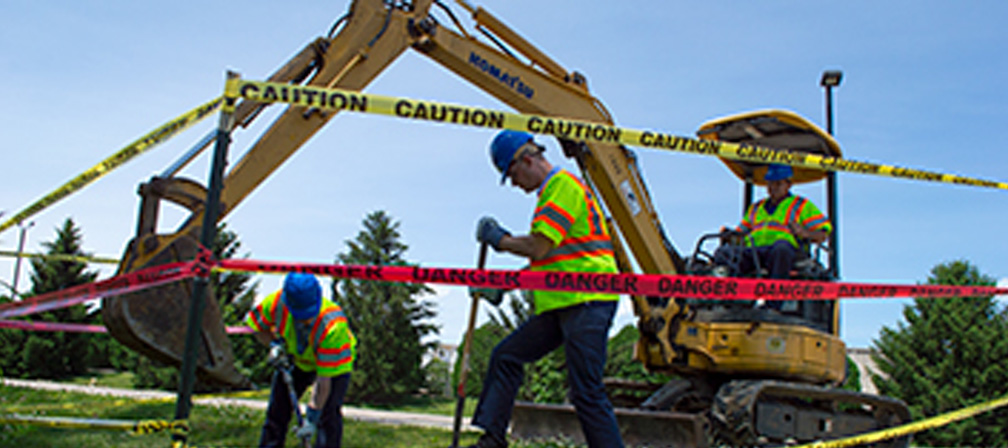
Confirm the Need for Direct Access
Accessible camera inspection can help examine sewer piping where the view will inform the repair. Symptoms and prior findings provide additional context. A structural defect may need work that cleaning cannot supply, but a recurring clog alone does not establish an excavation requirement.
Ask how the proposed repair follows from the condition identified.
Understand a Partial Inspection
A camera view can identify a defect in the section reached, but it cannot establish the condition of piping beyond an obstruction it cannot pass. The assessment should explain both the useful findings and the remaining limits. That matters when deciding whether the proposal is for a focused repair or more extensive replacement.
Tell the team whether earlier work changed the symptoms. A drain that worked normally for a while and a line that never regained flow provide different service histories. Neither history alone establishes the amount of pipe that should be replaced.
Serving Centennial and surrounding communities, Including:
Counties in the Centennial Area
Set the Underground Repair Boundaries
The proposed scope should identify the damaged section, the repair or replacement recommended and the adjoining piping left in place. Ask how the inspection and current symptoms support those boundaries. A broad work area should follow the repair need and access, rather than simply the fact that the concern is underground.
Also discuss use of fixtures connected to the line during the repair. A shared drain can affect more than the room where water first backed up. Identify the property contact who can arrange entry and authorize the work if several occupants depend on that plumbing.

Planning Excavation at a Centennial Site
Discuss the Disturbed Area in Advance

Frequently Asked Questions
What areas should I identify before the project?
Before plumbing excavation, identify entrances, occupied spaces and routes that people need to use, along with any gate or access restrictions. Explain which fixtures depend on the affected line. The team can discuss the work zone and plumbing-use interruptions without assuming every part of the property will remain available.
Is the work zone safe to enter for a closer look?
No. Stay outside the designated plumbing excavation zone, including while work is paused. Ask the crew to explain the defect, repair and progress from a safe location. Keep other occupants and pets clear rather than entering the open area to inspect the piping yourself.
Can property access influence the repair plan?
Yes. Plumbing excavation access depends on the line's location, buildings or paving above it and available working room. Gates and shared spaces can also affect arrangements. Describe those restrictions during the assessment so the proposed repair and route to the line fit the actual site.
Should backfilling and finishing be in the same discussion as repair?
Yes. Before plumbing excavation, discuss the pipe repair together with backfilling and any included surface restoration. Some finishes may require separate work. Establishing those boundaries early helps you plan use of the area without assuming the end of pipe work completes every outdoor task.
Does a recurring clog establish an excavation requirement?
No. A recurring sewer clog needs assessment of the cause. A removable obstruction and damaged piping require different work, and cleaning may restore flow without repairing a defect. The excavation recommendation should explain the condition that needs direct access and how the proposed pipe work will address it.
SPECIAL FINANCING AVAILABLE
We have partnered with Synchrony Bank to offer financing options to make your plumbing repair expenses as convenient and stress-free as possible.