Plumbing Excavation in Chandler
An underground plumbing problem can be difficult to plan around when you cannot see the affected pipe. Roto-Rooter offers plumbing excavation in Chandler. We can assess the concern and explain the access that may be needed for pipe repair or replacement.
Call 480-428-6005 or request plumbing excavation online.
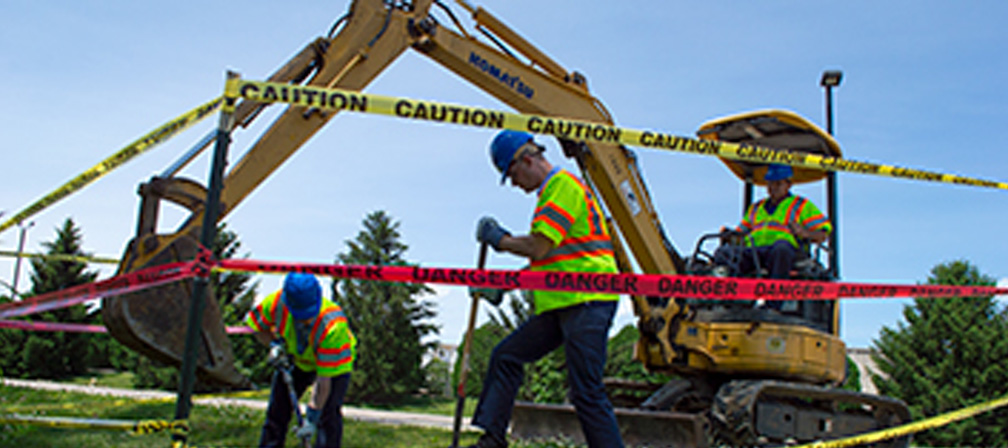
Start with What the Assessment Shows
Symptoms and previous service history help direct investigation. Camera inspection of accessible sewer piping can reveal visible defects or obstructions when the view is useful. That distinction matters: removing buildup cannot rebuild damaged pipe.
The scope should explain why digging is proposed and which section the work is intended to address.
Ask Which Part of the Sewer Was Examined
An obstruction can stop the camera before it reaches the end of the line. Have the accessible findings and any unseen section explained separately. A visible defect can justify a repair discussion without establishing that every part of the sewer is damaged.
When earlier clearing helped, describe how long drainage stayed normal and whether the same fixtures now back up. If the complaint changed, explain that too. A service history helps focus the investigation while the present findings determine the recommended work.
Serving Chandler and surrounding communities, Including:
Counties in the Chandler Area
Make the Pipe Repair Recommendation Understandable
For a section repair, ask where it starts and ends and how it joins the remaining line. For a longer replacement, have the findings supporting that extent explained. The choice should address the pipe condition and access rather than treat every recurring backup as the same underground problem.
Explain how the affected plumbing is used so interruptions can be discussed. A line serving several occupants needs an access contact and a clear plan for connected fixtures, even if the first symptom appeared in only one room.

Excavation for Chandler Pipe Repairs
Agree on Repair and Restoration Boundaries

Frequently Asked Questions
Can a sewer camera help distinguish buildup from damage?
Yes, when accessible sewer piping can be viewed clearly enough to identify its condition. The findings can help distinguish an obstruction from visible structural damage. An inspection may have limits where access or a blockage prevents the camera from passing, so ask which sections were actually examined.
Should I expose a buried pipe before your assessment?
No. Leave the suspected plumbing excavation area undisturbed. The pipe concern, other buried facilities and practical access need assessment before digging. Share available plans or earlier inspection findings instead; you can arrange help without exposing the line or removing surface material yourself.
Can I arrange help without knowing the exact pipe location?
Yes. Describe the sewer symptoms, affected fixtures and any earlier findings when requesting an excavation assessment. Explain known site restrictions or private buried installations as well. The team can discuss the investigation needed to define a repair area without asking you to locate the pipe first.
What should a digging proposal explain?
A plumbing excavation proposal should connect the identified pipe problem with the repair needed and the area that must be opened. It should also address utility locating, relevant permits, access and the finishing work included. That gives you a basis for understanding the complete project.
What if access reveals a different condition than expected?
If plumbing excavation reveals a different condition, the team should explain what was found and how it changes the proposed pipe work. Review the repair area and any effect on access or surface restoration before authorizing additional scope. The new finding should have a clear connection to the revised recommendation.
SPECIAL FINANCING AVAILABLE
We have partnered with Synchrony Bank to offer financing options to make your plumbing repair expenses as convenient and stress-free as possible.