Plumbing Excavation in Chesapeake
A repair to buried plumbing should address the actual damaged area, not an assumed location. Roto-Rooter provides plumbing excavation in Chesapeake. We can assess the underground concern and explain the findings that guide pipe access and repair planning.
Call 757-671-2129 or request plumbing excavation online.
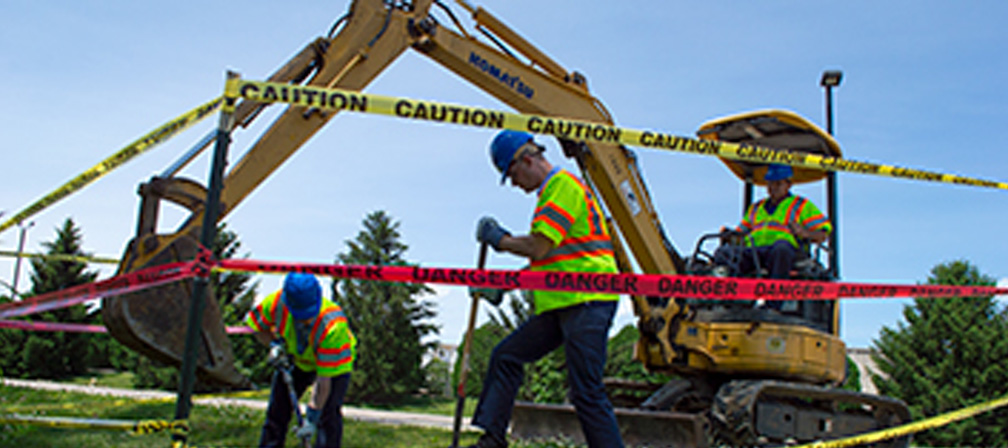
Use Inspection to Inform Access
Accessible sewer inspection can reveal visible conditions when a camera view is useful. Earlier reports, affected fixtures and the pattern of trouble also help. A backup does not prove a pipe is collapsed, and a cleaning recommendation should not be confused with structural repair.
If direct access is proposed, discuss why the affected section needs exposure and what the repair will accomplish.
Use the Earlier Report and the Present Symptoms Together
If another company inspected the sewer, keep the available report or footage with details of any work completed afterward. Explain whether the same fixtures are still affected. The team needs to relate the earlier finding to the current problem before a repair area is selected.
Have any limitation to the camera view explained. A blocked or inaccessible section remains unseen, even when the footage clearly identifies damage elsewhere. Understanding that distinction helps keep the repair scope tied to what is confirmed and what still needs assessment.
Serving Chesapeake and surrounding communities, Including:
Counties in the Chesapeake Area
Review the Sewer Repair Before Agreeing to Excavation
A useful proposal identifies the damage, the part being repaired or replaced and the access required. Ask how the intended repair joins with piping left in place. If replacement of a longer run is recommended, understand why its extent follows from the condition found.
Clarify the pipe work separately from backfilling and surface repairs. A completed underground connection and a finished outdoor space are related parts of the project, but the scope needs to explain which tasks are included.

Planning Excavation in Chesapeake
Set a Clear End Point for the Work

Frequently Asked Questions
Does a sewer backup prove that the pipe collapsed?
No. A sewer backup can involve a removable obstruction or a pipe defect, and the symptoms alone do not establish collapse. An assessment and useful inspection findings help distinguish the causes. The recommendation should explain why cleaning or repair is suited to the condition found.
Does finishing work always end with the pipe repair?
Not necessarily. Plumbing excavation may leave separate paving, planting or other finishing tasks after the agreed pipe work is complete. Confirm what restoration is included and who will arrange remaining work. Ask how the affected area will be managed between the repair and its final surface finish.
Why should access be tied to inspection findings?
Plumbing excavation access should reach the section that needs repair. Inspection findings help explain the defect, its location and the work recommended. If part of the sewer could not be viewed, that limit should be clear before the proposed repair area is treated as a complete assessment of the line.
When should utility locating be considered?
Utility locating belongs in planning before plumbing excavation begins. Discuss the proposed work area and any known private installations as well as member-utility markings. Virginia 811's guidance distinguishes private facilities from lines marked through its notification process; one set of markings should not be assumed to identify everything underground.
What can I provide if a previous company inspected the line?
Provide the available sewer inspection report or footage and explain any cleaning or repair performed afterward. Describe the symptoms occurring now and whether the same fixtures are affected. Those records can inform the excavation assessment, but the present condition still needs to guide the repair recommendation.
SPECIAL FINANCING AVAILABLE
We have partnered with Synchrony Bank to offer financing options to make your plumbing repair expenses as convenient and stress-free as possible.