Leak Detection in Denver, CO
Mile High Pipes Under Pressure - Catching Hidden Leaks in Denver's Demanding Climate
Denver's combination of extreme temperature swings, expansive clay soils, and aging infrastructure makes hidden water leaks one of the most common plumbing problems across the metro area. A pipe that survives the summer heat can crack during a January cold snap, and the resulting leak may run undetected for weeks beneath a concrete slab or behind a finished wall. Denver Water's tiered rate structure means that wasted water drives up your bill quickly, and undetected moisture creates conditions for mold growth and structural damage.
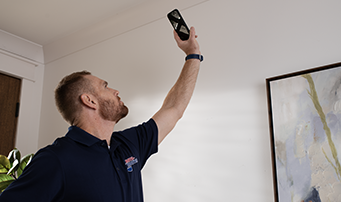
Roto-Rooter's experienced plumbing technicians use professional-grade leak detection equipment to locate hidden leaks without tearing apart walls, floors, or landscaping. Our approach pinpoints the exact source so repairs target the problem directly.
- Available 24/7, 365 days a year: Emergency and scheduled leak detection for residential and commercial properties throughout Denver.
- Non-invasive detection methods: Roto-Rooter is fully licensed and insured with experienced plumbing technicians trained in acoustic, thermal, and pressure-based detection that preserves your home's interior and landscaping.
- Accurate location technology: Identifies slab leaks, underground line leaks, and hidden pipe failures without guesswork or unnecessary demolition.
Call Roto-Rooter at 303-666-0045 or schedule service online to locate and stop leaks fast.
Why Denver's Climate and Geology Wear Down Plumbing Systems
Denver sits at 5,280 feet above sea level on the western edge of the Great Plains, where the Front Range foothills meet deep layers of expansive clay known as bentonite. These geological and climate conditions create year-round stress on residential and commercial plumbing that most cities never experience.
- Expansive clay soil movement: Denver's bentonite clay swells when saturated by spring snowmelt and summer thunderstorms, then shrinks and cracks during dry months. This seasonal heaving shifts underground water lines, separates pipe joints, and stresses slab-embedded supply lines.
- Freeze-thaw cycling: Denver averages more than 150 days per year where temperatures cross the freezing mark. Pipes in crawl spaces, garages, and exterior walls endure constant expansion and contraction that weakens joints and fittings over time.
- Hard water mineral buildup: Denver Water's supply carries calcium and magnesium that deposit mineral scale inside pipes. This buildup narrows pipe openings, increases internal pressure, and corrodes copper fittings from within.
- Aging pipe materials: Homes built before the mid-1960s across Denver often contain galvanized steel pipes made of zinc-plated iron. The zinc coating wears off after 40 to 50 years, exposing the iron to corrosion that produces pinhole leaks and restricted water flow.
- Altitude-related pressure stress: Denver's elevation affects water pressure regulation throughout the system. Pressure fluctuations put additional strain on older fittings, valves, and connections throughout the distribution network.
Neighborhoods and Areas We Serve Across Denver
Roto-Rooter provides leak detection services to residential and commercial properties throughout Denver. Each neighborhood presents its own plumbing challenges shaped by construction era, soil conditions, and infrastructure age.
- Capitol Hill and Cheesman Park: Many homes in these neighborhoods date to the early 1900s, with original galvanized steel supply lines and cast iron drain pipes. Tree-lined streets add root intrusion risk to aging underground connections.
- Park Hill and Montclair: Post-war construction through the 1950s and 1960s means homes here often have galvanized steel pipes approaching or past their expected lifespan. The clay soil beneath these neighborhoods is particularly reactive.
- Highlands and Sloan's Lake: A mix of century-old bungalows and newer construction creates varied plumbing conditions. Older homes may contain original lead service connections alongside galvanized interior piping.
- Stapleton and Green Valley Ranch: Newer developments use modern copper and PEX supply lines, but the expansive clay soil in northeast Denver creates persistent foundation movement that stresses slab connections and underground lines.
- Wash Park and University Hills: Properties built between the 1920s and 1970s contain galvanized steel, early copper, and mixed pipe materials. The mature trees throughout these neighborhoods create root intrusion concerns for both supply and drain lines.
Warning Signs That Point to a Hidden Leak
Acting quickly when you notice signs of a hidden leak can prevent thousands of dollars in water waste and structural repair costs.
- Unexplained water bill increases: Denver Water provides online usage tracking that flags unusual consumption spikes. A sudden jump with no change in habits often indicates a leak somewhere in the system.
- Running water sounds: Hearing water flow when all fixtures and appliances are off suggests a pressurized supply line leak behind a wall, beneath a floor, or underground.
- Warm or damp spots on floors: Hot water supply line leaks beneath a slab create warm patches on flooring. Any unexplained dampness on floors, walls, or ceilings warrants investigation.
- Foundation cracks and sticking doors: Water saturating the clay soil beneath a foundation causes swelling that can crack walls, shift door frames, and create uneven floors.
- Meter test: Turn off all water inside and outside your home, then check the meter. If the dial continues to move, you have an active leak that requires professional detection.
Serving the entire Denver metro area, Including:
Counties in the Denver Metro Area
Protecting Your Denver Property from Seasonal Leak Risks
- Insulate pipes before winter: Pipes in garages, crawl spaces, and along exterior walls need insulation before Denver's first hard freeze. Pipe sleeves and heat cable prevent the freeze-thaw damage that leads to burst or leaking pipes.
- Inspect irrigation systems each spring: Sprinkler lines exposed to Denver's UV intensity and freeze-thaw cycles degrade faster than in milder climates. Check connections, valves, and buried lines before the irrigation season begins.
- Monitor your foundation: Watch for new cracks, sticking doors, or uneven floors that could indicate a slab leak swelling the clay soil beneath your home.
- Schedule annual leak inspections: A professional leak detection survey catches developing problems before they cause structural damage or significant water waste.
Same-Day Leak Detection in Denver
Call Roto-Rooter for Leak Detection in Denver - Available 24/7
SPECIAL FINANCING AVAILABLE
We have partnered with Synchrony Bank to offer financing options to make your plumbing repair expenses as convenient and stress-free as possible.