Plumbing Excavation in El Monte
When pipe damage lies beneath a usable yard or paved area, understanding the access plan matters. Roto-Rooter offers plumbing excavation in El Monte. We assess the underground fault and explain the proposed repair area before work begins.
Call 626-532-1790 or request a plumbing excavation assessment.
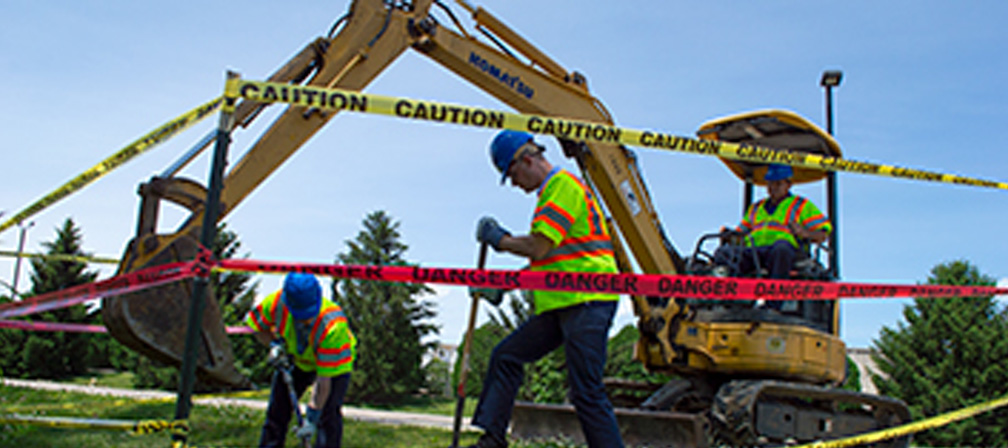
Locate the Repair Need before Excavation in El Monte
Video inspection of accessible sewer piping can help locate visible defects behind drainage problems. An open joint or broken section needs physical repair; debris removal does not restore it. The findings should support the proposed location and length of work.
When water appears at a fixture, the obstruction or damage may be farther along the connected line. Opening the ground beside that fixture without establishing the pipe concern can miss the repair location. Roto-Rooter assesses the underground problem and discusses how the findings relate to access.
A line can also carry water after clearing while a damaged connection remains. Improved drainage answers the immediate flow question; it does not establish that the joint has been restored. If a camera cannot travel past an obstruction, the portion beyond it remains a limit to the assessment rather than confirmed sound piping.
You can provide earlier footage or repair descriptions without knowing how much excavation is needed. The service discussion should turn those findings into an understandable repair decision, including what is still unknown.
Repair the Affected Pipe and Define the Work Area
A limited defect may allow a focused repair when the adjoining pipe can support suitable connections. Wider damage can call for a longer replacement. The scope needs to follow that condition, rather than assume that a small surface symptom means a small repair or that repeated drain calls mean the whole line has failed.
Repairing the piping and reaching it are linked decisions. Depth, location and the surfaces above the line affect the access plan. A clear explanation identifies the proposed section and why that opening is needed to perform the plumbing work.
Use of the affected plumbing during the repair also needs clarification. The necessary restrictions depend on the line involved and the proposed work. A property contact can plan for occupants more effectively when that sequence is understood before the area is opened.

Prepare the El Monte Site for Underground Access
Understand Paving and Other Finishing after Excavation

El Monte Pipe Excavation Questions
Does a small visible symptom mean the repair area will be small?
Not necessarily. The visible plumbing symptom does not establish the buried defect's extent. Pipe condition, location and available access guide the repair area. A focused repair or wider replacement should follow the findings.
How is the proposed excavation location established?
The plumbing assessment and available inspection findings should identify the defect and the area needed to reach it. The location of a backed-up fixture alone does not establish the place to excavate. Any inspection limits should remain clear.
Should private underground installations be part of the discussion?
Yes. Known private buried installations can influence utility preparation and access to the damaged pipe. Share records and later property changes with the team. Current locating and site assessment still need consideration before digging.
What should I know about restoring paving after the repair?
For plumbing excavation beneath paving, confirm the surface work included after pipe repair and backfilling. Any finish outside that scope needs separate coordination. The plumbing work alone is not a promise to recreate every paved feature.
Can a damaged joint require access even after flow returns?
Yes. A sewer can carry water after clearing while a damaged joint remains. Cleaning removes material, but does not reconnect failed piping. The visible defect and surrounding condition should guide any physical repair and the access needed.
SPECIAL FINANCING AVAILABLE
We have partnered with Synchrony Bank to offer financing options to make your plumbing repair expenses as convenient and stress-free as possible.