Plumbing Excavation in Erie
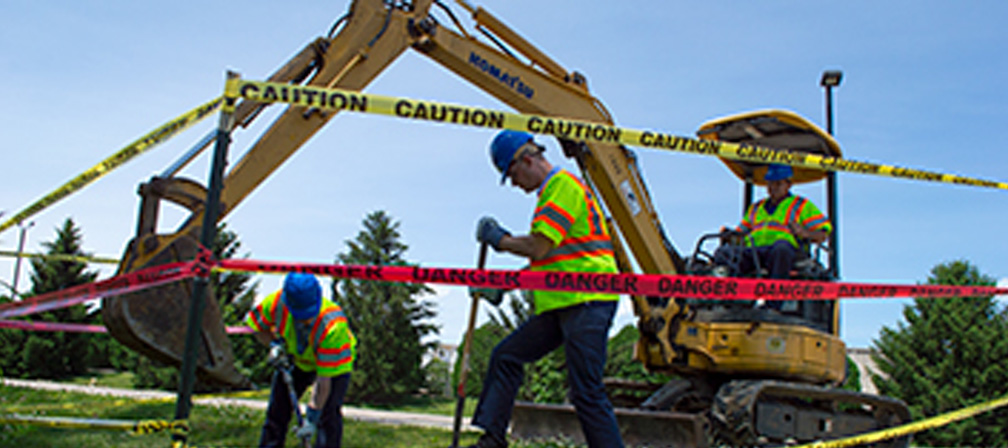
An underground repair should have a clear reason, defined work area and understandable next steps. Roto-Rooter offers plumbing excavation in Erie. We can investigate pipe concerns and explain the access needed when a repair requires the line to be exposed.
Call 814-825-6000 or request plumbing excavation online.
Build the Plan Around the Pipe Condition
A sewer camera can help examine accessible piping where the view is useful. Findings may show a removable obstruction or a defect requiring repair. The difference matters because cleaning does not restore a collapsed or disconnected section.
Share earlier findings and the symptoms now affecting the property. The team can explain what those facts support and what still needs assessment.
Define the Repair Area From the Inspection
Ask where the observed defect is and whether the view was clear enough to explain it. If the camera stopped at an obstruction, the remaining piping has not been verified by that footage. The assessment should distinguish confirmed damage from a section that still needs investigation.
Explain which fixtures are affected and what changed after earlier work. A temporary improvement can be useful history, but it does not identify the repair boundaries by itself. The proposed pipe work should connect those observations with the current findings.
Operated as an Independent Contractor - All available services, hours of operations, pricing structure, and guarantees may vary by location
Serving the entire Erie metro area, Including:
Counties in the Erie Metro Area
Review the Extent of Sewer Repair or Replacement
A damaged section may need a focused repair, while more extensive findings can support a longer replacement. Ask how the recommended boundaries follow from the pipe condition and how the repaired section will join the remaining line. The recommendation should explain its purpose before you consider the access work.
Include pipe work, backfilling and specified surface tasks in the scope discussion. Understanding those separate stages makes it easier to plan the property afterward and recognize any finishing work that needs another arrangement.

Erie Excavation and Practical Access
Restoration Is Part of the Scope Discussion

Frequently Asked Questions
Can a camera show a disconnected sewer section?
A sewer camera may show a disconnected section when the affected piping is accessible and the view is useful. An obstruction or access limit can prevent inspection farther along the run. Ask which damage is visible and which sections remain unexamined before choosing the extent of repair.
Does excavation depth follow one standard for every property?
No. Plumbing excavation access depends on the actual pipe location and site conditions. A depth estimate for another property does not establish the access needed for yours. The assessment and planned repair should guide the work area without asking you to uncover the line yourself.
When should I discuss restoration of the ground?
Discuss ground restoration before plumbing excavation begins, alongside the pipe repair. Confirm the backfilling and surface tasks included and any paving or planting requiring separate work. If finishing occurs later, ask how the area will be left and which access restrictions remain between stages.
What should be clear before the work area is opened?
Before plumbing excavation, understand the defect being addressed, the repair proposed and the area needed for access. Utility locating and applicable permit arrangements also need attention. Confirm use of connected fixtures and the finishing scope so the work's purpose and practical effects are clear.
How can I understand progress without entering the excavation?
Ask the crew to explain the plumbing excavation findings and completed work while you remain outside the designated zone. A closer view of an open area is not necessary to understand the repair. Keep other occupants and pets clear, including during a pause in work.
SPECIAL FINANCING AVAILABLE
We have partnered with Synchrony Bank to offer financing options to make your plumbing repair expenses as convenient and stress-free as possible.