Water Damage Restoration in Fallbrook
Stopping an overflow does not remove the water already in flooring or other materials. Roto-Rooter provides water damage restoration in Fallbrook. We assess affected areas and discuss water removal, cleanup and drying work.
Call 760-203-5084 or request a water damage assessment. Keep out of standing water near electrical equipment.
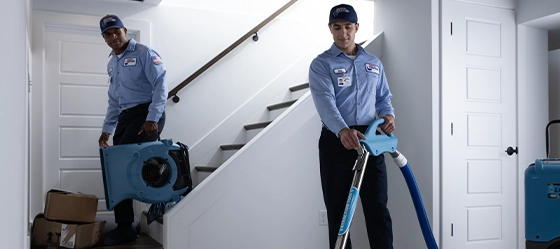
Address the Source and the Wet Area
Tell the team if a leak is still active and identify where water has spread, using observations made from a safe position. Plumbing source control and cleanup serve different purposes. Both need attention when a plumbing failure has left materials wet.
Water from a sewage backup requires different handling from an ordinary supply leak. Describe the source if known, but do not enter contaminated water to investigate.
Report the rooms involved and when the water was discovered. Moisture can reach adjoining materials beyond the first visible wet area. The assessment identifies the extent rather than assuming the surface condition describes all of the damage.
Explain if the source is known or still uncertain. A supply leak, wastewater backup and water arriving from outside involve different cleanup considerations. You can arrange help without entering the affected space or opening materials to inspect it.
Keep unsafe rooms restricted and provide a contact for access. Plumbing source work and restoration may need coordination, but their tasks should be clearly explained.
Serving Fallbrook and surrounding communities, Including:
Counties in the Fallbrook Area
Understand the Restoration Scope for Your Property
Review the areas, materials and contents included in the proposed work. Extraction removes standing water; drying addresses moisture in retained materials and the air. Later finish repairs can need a separate plan.
What can be retained depends on the material condition and water involved. The assessment should precede decisions about removal, with the finding explained. A promise to save every item would overlook the actual exposure.
Describe shared areas, occupied rooms or contents that need special attention. Leave contaminated materials and unsafe wet equipment alone rather than moving them to prepare the service visit.

Assess Water Damage and Remove Water
Monitor the Drying Work

Frequently Asked Questions
Should I identify a sewage backup when booking?
Yes. Identify a known sewage backup at the start of a water damage restoration request because contamination affects assessment and handling. Stay out of the water and describe the affected rooms, whether the backup is continuing and any electrical concerns while arranging appropriate help.
Does a drying proposal cover every later building repair?
A water damage drying proposal should state the work included for affected rooms and materials. Confirm whether removal, replacement or finishing surfaces is part of that scope or requires separate arrangements. Clarifying these tasks before work begins helps the property contact plan the full recovery.
Why can cleanup be needed after a leak has stopped?
Water damage cleanup may be needed after a leak stops because water already released can remain in flooring, walls and other materials. Source repair prevents further release; extraction and drying address existing water and moisture. An assessment helps establish the work still needed.
Can a floor look dry while underlying materials remain wet?
Yes. A floor can look dry while moisture remains below it or in neighboring materials after water damage. Surface appearance alone cannot establish their condition. Share which areas were wet and where water traveled so the assessment can consider the affected building materials.
What helps determine which materials can be dried?
Water damage drying decisions depend on the material, its condition and the water exposure involved. The assessment helps establish what may be dried and what may require removal. Before work proceeds, clarify the proposed handling of affected materials and any later repairs that require separate arrangements.
SPECIAL FINANCING AVAILABLE
We have partnered with Synchrony Bank to offer financing options to make your plumbing repair expenses as convenient and stress-free as possible.