Sump Pump Repair and Installation in Freeport
Key Takeaways: A Sump Pump on Sand, a Few Feet Above the Bay
- The pit here is rarely empty for long, because the water table under Freeport sits close to the surface and rises and falls with the bay rather than with the forecast.
- A pump that works most of the year is a pump wearing out on a schedule nobody is tracking, which is why age is a weaker predictor here than run hours.
- Salt in the air shortens the life of the parts that move and the parts that seal. The float switch and the check valve usually go before the motor does.
- Fine sand is the other enemy. It works past a worn intake screen, scores the impeller and settles in the bottom of the pit until the pump is fighting sediment as well as water.
- Sending the discharge into a dry well cut in the same sand the pit is draining puts the water back in the ground it came from, and the pump then runs on its own output.
- Coastal storms reach New York with wind, water and outages together, so backup power is protecting against the exact hours the pit is busiest.
- Roto-Rooter is fully licensed and insured and answers in Freeport 24/7, 365 days a year.

Most of the country treats this equipment as a storm appliance. On the flat ground Freeport is built on, a few feet above tidewater, it is closer to a household utility, running quietly for months at a time whether or not anything is falling out of the sky.
Why the Pit Is Never Really Empty Here
The ground under Freeport is glacial outwash: sand and gravel laid down flat and deep, sitting over an aquifer that is close enough to the surface to be reached by an ordinary excavation. Sand does not resist water, it conducts it. Where the ground surface is only a few feet above the level of the bay, the top of that saturated zone is only a few feet down, and it moves. A run of onshore wind, a spring tide or a long soaking rain lifts it, and every pit cut into that ground rises with it.
This is the honest answer to the question homeowners here ask most: why does the pump run when it has not rained? Because the rain was never the source. Groundwater is arriving through sand that transmits it easily, at a rate the bay and the season are setting. A pump cycling through a dry, clear week in Freeport is usually reporting on the water table, not on a fault, and the useful response is to size the system for year-round work rather than to keep replacing units that were doing their job.
What a Sump Pump Wears Out On When It Runs All Year
Continuous duty in Freeport changes which part fails first. The float switch has the highest cycle count of anything in the pit and, in salt air, the shortest protected life: the tether stiffens, the pivot corrodes, and one day the switch simply stops rising. A check valve in the same conditions loses its seal, and the column of water in the discharge line falls straight back into the pit each time the motor stops, so the pump restarts within seconds and short cycles through a duty cycle that was meant to last years.
Then there is the sand itself. It packs the intake screen, so the motor runs and moves nothing. It gets past a worn screen and scores the impeller until the unit hums under load. And it settles in the bottom of the pit, raising the floor season by season, so the pump is drawing from a shallower and shallower volume without anybody noticing. The fifth failure is the one that is not the pump at all: a coastal storm takes the power out, and a perfectly healthy machine sits in a filling pit with nothing to run it.
Serving Freeport and surrounding communities, Including:
Counties in the Freeport Area
The Dry Well Problem, and Where the Water Should Actually Go
Termination on the flat sandy ground under Freeport has a traditional local answer, and the traditional answer is frequently the fault. A dry well is a pit of stone or a perforated chamber buried in the yard, and it works by letting water soak away into the surrounding soil. In sand that drains beautifully, which is why it became standard. The difficulty is what happens when the water table is already high: the surrounding soil is saturated, the dry well has nothing to give the water to, and it holds a reservoir a short distance from the foundation until it drains back toward the pit that just emptied it.
A discharge arrangement that works here has to move water far enough, and to a point low enough, that it leaves for good rather than circulating. That may mean a longer run to the street side, a properly sized and correctly sited chamber well away from the house, or a connection permitted by the village for stormwater. It should never be a line into the fixture drains inside the building. Tracing the existing line from the pit to wherever it actually ends is the single most useful thing anyone can do on a Freeport property with a pump that will not stop.
Reading the Cycle on a Pump That Works Year Round
Sump pit dimensions decide how the equipment ages in Freeport. A pit that is too small refills before the motor has cooled and the unit short cycles constantly, which on year-round duty burns through its rated life in a fraction of the time. A pit that is too large lets water stand and gives the sand time to settle out onto the intake. Neither is dramatic and both are expensive.
Because the pump here is rarely idle, the rhythm is the diagnostic. Learn what normal sounds like on an ordinary week: how long a run lasts, how many minutes pass between them, whether the level drops all the way. Once that baseline exists, a run that has stretched from forty seconds to two minutes on the same weather is information, and it arrives long before water does. Most Freeport homeowners never establish it, which is why the first symptom noticed tends to be a wet floor.
Backup Power for a Storm That Comes Off the Water
The most common real gap in Freeport is not a worn pump, it is a house with no second source of power. A battery backup is a second pump with its own supply, and here it earns its keep because the weather that raises the water table is the same weather that puts the lights out. Be precise about the limits. It carries a pit through an outage of hours rather than days, and how many hours depends entirely on how fast the water is arriving, which in a coastal storm is faster than usual. It is not a substitute for replacing a primary pump that is already failing, and pairing it with a high-water alarm is what turns it from a hope into a system.
Test the Alarm, Not Just the Pump
Pour water slowly into the pit until the float switch lifts. The pump should start, clear the pit, and stop cleanly without restarting a second later. Then keep going: if there is a high-water alarm, add enough water to trip it and confirm it actually sounds, and if there is a backup, pull the primary's power and watch the second unit take over. A backup nobody has ever tested is a device, not a safeguard.
Do this twice a year, and walk out to the end of the discharge line while you are at it to confirm that water genuinely arrives there and drains away. What the test will not tell you is whether the equipment keeps up under real inflow or whether the line is clear along its whole length, and those need somebody assessing the installation as a whole.
Equipment Is Our Trade. Waterproofing Is Not.
Repair, replacement, new installation, backup systems, check valve work, discharge line work and a full diagnosis of the pit are all inside what Roto-Rooter does. Foundation sealing, exterior excavation, regrading a yard and structural repair are a different trade and we do not perform them. On ground like this, anywhere along the coastal edge of New York, that distinction is worth stating plainly, because a bigger motor cannot lower a water table. A sump pump manages the water that reaches the pit. It does not stop groundwater from reaching the house, and no honest description of one pretends otherwise.
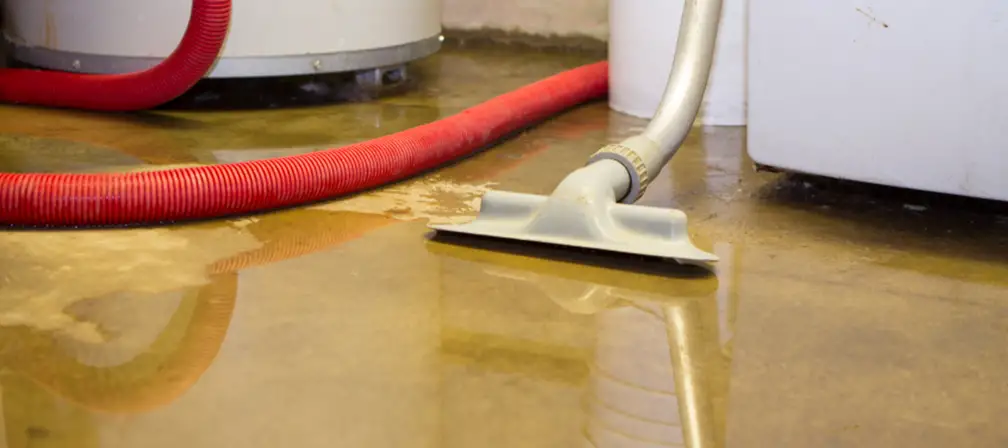
Where water has already spread across a floor, the cleanup is separate work. See Freeport water damage restoration for that, and the Freeport plumbing page for everything else this team handles.
Schedule a Sump Pump Check in Freeport Before the Next Coastal Blow
Roto-Rooter has worked on New York plumbing since 1935 and is fully licensed and insured. Call 516-209-2153 or schedule online to have the pit, the pump, the float switch, the check valve, the backup and the far end of the discharge line looked at together. Roto-Rooter provides on-site estimates before any work begins and answers 24/7, 365 days a year. On ground where the pump is working most weeks of the year, a tested system is the plumbing peace of mind worth arranging while the weather is quiet.

What to Look For Between Storms
Outwash Sand, a Shallow Aquifer and Salt in the Air
SPECIAL FINANCING AVAILABLE
We have partnered with Synchrony Bank to offer financing options to make your plumbing repair expenses as convenient and stress-free as possible.