Leak Detection in Fresno, CA
Central Valley Heat and Hard Water - Protecting Fresno Properties from Hidden Plumbing Leaks
Fresno sits in the heart of California's San Joaquin Valley, where summer temperatures regularly exceed 100 degrees and the groundwater supply carries mineral concentrations that corrode pipes from the inside out. A hidden plumbing leak in this environment wastes water that is already subject to drought restrictions and tiered pricing, and the combination of heat stress, soil settlement, and mineral deposits makes undetected leaks one of the most common plumbing problems in the Fresno metro area.
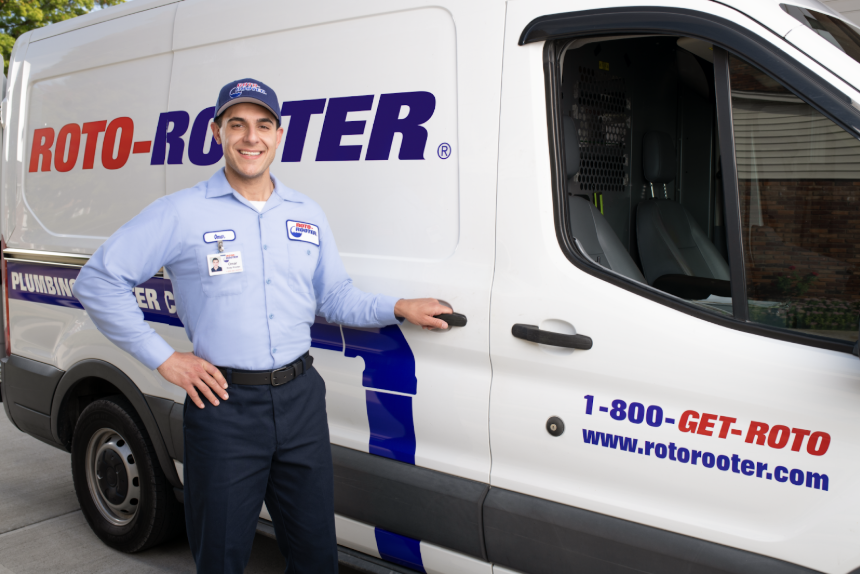
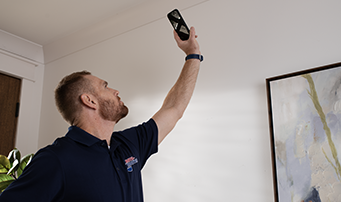
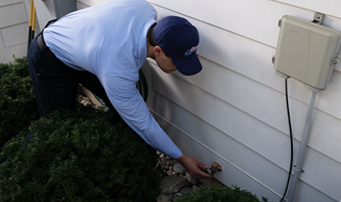
Roto-Rooter's experienced plumbing technicians use professional-grade leak detection equipment to locate hidden leaks without tearing apart walls, floors, or landscaping. Our approach pinpoints the exact source so repairs target the problem directly.
- Available 24/7, 365 days a year: Emergency and scheduled leak detection for residential and commercial properties throughout Fresno.
- Non-invasive detection methods: Roto-Rooter is fully licensed and insured with experienced plumbing technicians trained in acoustic, thermal, and pressure-based detection that preserves your home's interior and landscaping.
- Accurate location technology: Identifies slab leaks, underground line leaks, and hidden pipe failures without guesswork or unnecessary demolition.
Call Roto-Rooter at 559-299-2104 or schedule service online to locate and stop leaks fast.
Why Fresno's Environment Creates Persistent Leak Risks
The San Joaquin Valley's geology, climate, and water chemistry create conditions that wear down plumbing systems faster than most California cities experience.
- Extreme summer heat: Fresno regularly records temperatures above 100 degrees for weeks at a time. Underground pipes and slab-embedded supply lines expand in this heat and contract during cooler overnight periods, weakening joints and fittings through thermal cycling.
- Hard water mineral deposits: Fresno's groundwater supply carries elevated calcium, magnesium, and iron concentrations that build scale inside pipes. Mineral deposits narrow pipe diameter, increase internal pressure, and corrode copper and galvanized steel fittings from within.
- Subsidence and soil settlement: Decades of agricultural groundwater pumping have caused land subsidence across parts of the San Joaquin Valley. This gradual sinking shifts underground pipes, separates joints, and stresses connections beneath foundations.
- Aging pipe materials: Homes built during Fresno's rapid growth in the 1960s and 1970s often contain galvanized steel pipes that corrode internally. Properties with galvanized iron piping experience discolored water and reduced flow as rust and calcium build up inside the lines.
- Electrolysis and soil corrosion: Underground pipes in Fresno make contact with charged soil that can induce electrolysis in metallic pipes, causing corrosion from the inside or outside and eventually creating holes in supply lines.
Neighborhoods and Areas We Serve Across Fresno
Roto-Rooter provides leak detection services to residential and commercial properties throughout Fresno. Each area presents its own plumbing challenges shaped by construction era and infrastructure age.
- Tower District and Huntington Boulevard: Properties built during the 1920s and 1940s contain some of Fresno's oldest plumbing, with original galvanized steel supply lines and cast iron drain pipes that have been in service for 80 years or more.
- Northeast Fresno and Woodward Park: Development during the 1980s and 1990s used copper and early PEX supply lines. The hard water mineral buildup in this area accelerates internal corrosion on copper fittings and joints.
- Clovis and Southeast Fresno: Newer suburban development uses modern materials, but subsidence-related soil settlement creates ongoing stress on underground pipe connections and slab-embedded supply lines.
- Central Fresno and Fig Garden: Mid-century homes built during the 1950s and 1960s contain aging copper and galvanized steel pipes approaching the end of their expected lifespan, with decades of hard water scale narrowing pipe diameters.
Operated as an Independent Contractor - All available services, hours of operations, pricing structure, and guarantees may vary by location
Serving the entire Fresno metro area, Including:
Counties in the Fresno Metro Area
Warning Signs and Preventive Steps for Fresno Properties
- Monitor your water bill: The City of Fresno's tiered water rates amplify the cost of wasted water. A sudden increase with no change in habits often indicates a hidden leak.
- Watch for discolored water: Rusty or brown water, especially after pipes sit idle overnight, indicates internal corrosion in galvanized steel pipes that may be nearing failure.
- Inspect irrigation systems seasonally: Fresno's intense UV and extreme heat degrade drip lines, sprinkler connections, and buried irrigation piping faster than in milder climates.
- Check for foundation cracks: New cracks in walls, sticking doors, or uneven floors can indicate a slab leak causing soil to shift beneath your foundation.
- Schedule annual leak inspections: A professional detection survey catches developing problems before they cause structural damage or significant water waste.
Same-Day Leak Detection in Fresno
Call Roto-Rooter for Leak Detection in Fresno - Available 24/7
SPECIAL FINANCING AVAILABLE
We have partnered with Synchrony Bank to offer financing options to make your plumbing repair expenses as convenient and stress-free as possible.