Sump Pump Repair and Pit Replacement in Grand Rapids
Key Takeaways: What Sand in the Pit Does to a Sump Pump
- Sediment in the bottom of the pit: the water arriving through the drain tile comes out of sand and gravel and carries fine material with it, which settles and then gets pulled through the pump.
- Grit is what shortens the life of the equipment: it wears the impeller, props the check valve off its seat and collects on the float until the switch stops moving cleanly.
- A pump sitting flat on the bottom is drinking sand: raising it on a solid base and keeping the intake clear of the sediment layer is a small change with a long payoff.
- Sand answers rain fast: permeable ground lets the water table climb within hours of a storm, and a long thaw in Grand Rapids keeps it up for weeks, so the pump has a long working season rather than a few dramatic nights.
- Where the discharge lets go matters in permeable ground: water released close to the house soaks straight back down and returns to the pit.
- Power loss is the gap a good pump cannot fill: a battery backup is a second pump with its own supply, and it carries the pit for a limited period.
- Roto-Rooter repairs, replaces and installs pumps, pits, valves and discharge lines: the equipment is the job, and Roto-Rooter does not perform foundation waterproofing or exterior drainage work.

Lift the lid on a sump pit in Grand Rapids and there is usually a layer of fine sand in the bottom of it. That is not neglect and it is not a sign anything has gone wrong yet. The Grand River valley is floored with glacial outwash, so the drain tile feeding the pit sits in sand and gravel, and every gallon that comes in brings a little of that ground along with it. Over a few seasons the pit acquires a layer, and after that the equipment is working in it.
Almost everything that shortens a pump's life in western Michigan starts there. Sand is abrasive, it is heavy enough to settle and light enough to be picked up again by moving water, and it ends up in the three places that matter: the impeller that does the work, the check valve that holds the column up, and the float switch that decides when to start. Roto-Rooter repairs, replaces and installs sump pumps in Grand Rapids along with the pit, the valve, the switch and the discharge line, and a visit that only swaps the motor leaves most of the problem where it was.
Operated as an Independent Contractor - All available services, hours of operations, pricing structure, and guarantees may vary by location
Serving the entire Grand Rapids metro area, Including:
Counties in the Grand Rapids Metro Area
Where the Discharge Line Ends Up, and Why the Pit Notices
Permeable ground cuts both ways. The sand that lets groundwater reach the pit quickly also swallows anything poured onto it, so water discharged a short distance from the house soaks in and comes back down to the same drain tile that fed the pit in the first place. The pump then spends the storm moving one body of water in a circle, and the household concludes the pump is undersized when the run is what needs attention. On a tight lot in Grand Rapids there is not always somewhere better to send it, and that is a conversation worth having at the estimate instead of after the next storm.
A discharge line that behaves carries the water well clear of the foundation, keeps a steady fall so nothing stands in it through a Michigan winter, terminates where the released water keeps moving away from the building, and stays off the sanitary sewer, which many jurisdictions prohibit outright. A check valve close to the pump completes it, so the column standing in the pipe cannot fall back the moment the motor stops.
Battery Backup for the Outage That Arrives With the Storm
The one failure a healthy pump cannot cover is the loss of its power supply, and the weather that fills a pit in Grand Rapids is the same weather that brings lines down. A battery backup is a second pump with its own float and its own power, mounted above the primary, and it takes over automatically when there is no current. It is a bridge rather than a generator: it runs for a period set by the battery, the size of the inflow and how far the water has to be pushed, and it needs its battery checked like any other battery. In a house where the pit is the only thing between groundwater and a finished lower level, it is the most valuable addition on this page. A pit in Grand Rapids that has been taking sandy water for years deserves the same attention as the backup being fitted above it, so the two get quoted together.
Testing a Sump Pump and Checking the Bottom of the Pit
Do this twice a year, once before the spring thaw and once in the autumn. Take the lid off and look in with a flashlight: you want to see how much sand has collected, whether the float has room to swing and whether the intake screen is clear. Scoop the sediment out if there is a layer. Then pour a bucket of water in slowly. The motor should start before the water reaches the top of the pit, push the water out briskly, and stop with a single clean thud as the check valve seats. A slow start, a weak discharge, a second start a few seconds later or a valve that chatters are all worth a call while the weather is still quiet.
Why the Pump Runs When It Has Not Rained
Sand transmits water quickly, so the water table under this part of Michigan responds within hours to rain and stays elevated long after it. A lake-effect winter loads the ground with snow and then gives it back slowly across a thaw that can run for weeks, and through that stretch a pit fills steadily under a clear sky. Regular running in those conditions is the system doing its job. It is worth a call when the pump cannot hold the level down, when it never stops, or when the sound of the discharge changes.
When Water Is Already on the Floor
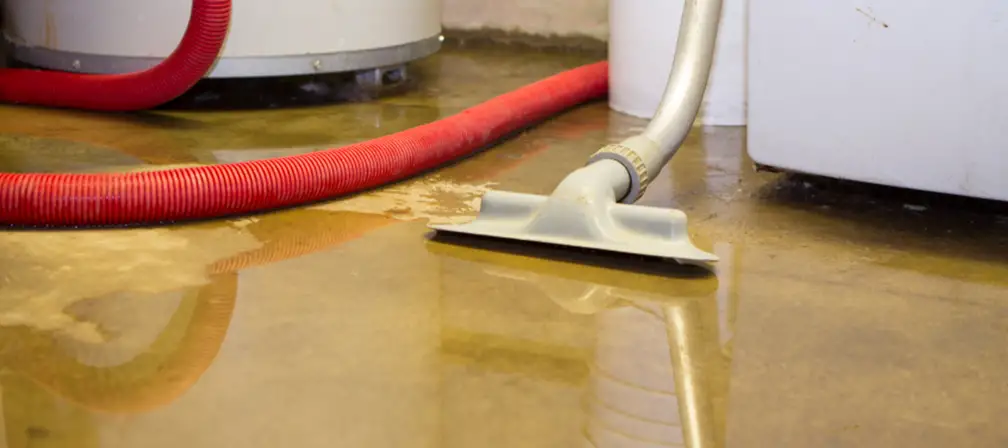
If the pit is overflowing now, switch the pump off at the breaker before anyone steps into standing water, then call. Emergency Plumbers in Grand Rapids are available 24/7, 365 days a year. Where water has already reached finished space or stored belongings, Water Damage Restoration in Grand Rapids handles extraction and drying, and everything else this location offers is listed on the Grand Rapids plumbing page.
Schedule Sump Pump Service in Grand Rapids
A weak discharge, a valve that will not seat or a float buried in sediment gives you warning, and the warning is worth using. Call 616-233-9188 to have the pump, the pit, the valve and the discharge run looked at together, or schedule online at a time that suits the household. Roto-Rooter is fully licensed and insured and provides on-site estimates before any work begins.

Grit, Impellers and the Slow Failure Nobody Hears
The Pit, the Liner and What Settles in the Bottom