Plumbing Excavation in Independence
A buried pipe repair can involve more than reaching the line. Roto-Rooter provides plumbing excavation in Independence and can help explain the repair purpose, work area and surface responsibilities. We begin with an assessment of the plumbing concern.
Call 816-412-2104 or request plumbing excavation online.
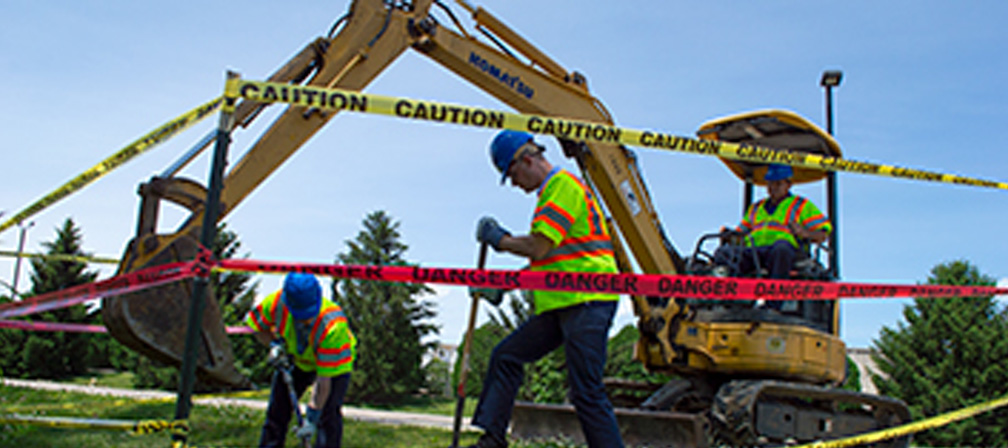
Identify the Condition Requiring Access
A visible defect in accessible sewer piping can be investigated with a camera when the view is useful. Symptoms and previous work also provide context. An obstruction may need cleaning, while damaged piping may require a repair that direct access makes possible.
The proposed excavation should explain the affected section and why that approach suits the findings.
Explain What the Sewer Inspection Could Reach
A camera can provide useful evidence of a defect in accessible piping, but an obstruction can limit the distance examined. Ask which damage was observed and which section remains unseen. The repair recommendation should account for that limit instead of presenting the footage as a finding about every part of the line.
Describe the current drainage pattern and any improvement after earlier work. The history can help explain why further assessment is needed. It does not establish the location or extent of repair without supporting findings.
Serving Independence and surrounding communities, Including:
Counties in the Independence Area
Review the Pipe Work Before Planning the Work Zone
The proposal should identify the repair or replacement, its boundaries and how it connects to piping that remains. A confirmed defect needs work suited to its condition; it does not automatically establish that the entire run requires replacement. Ask how the intended extent follows from the assessment.
Then review the access needed to accomplish that repair. Backfilling and surface finishes need their own scope explanation so the condition of the area afterward is clear before you arrange further work or rely on normal use of the space.

Excavation Work Zones in Independence
Look at the Complete Repair Sequence

Frequently Asked Questions
Why should I avoid digging toward a suspected pipe?
A suspected sewer route may not account for the actual pipe location or other buried facilities. Leave the area undisturbed while the excavation assessment and locating arrangements are made. Share existing records and known private installations instead of trying to expose the pipe before service.
What if an additional problem appears during access?
If plumbing excavation reveals an additional concern, have the finding and any proposed scope change explained before further work is authorized. Ask how it affects the repair boundaries and surface work. A new condition should lead to a clear decision about the added work.
What makes excavation part of a plumbing repair?
Plumbing excavation provides direct access to buried piping when the identified repair requires exposure. The recommendation should explain the defect, work needed and area to be opened. Cleaning a restriction and repairing damaged pipe structure serve different purposes, so the access needs to follow the repair finding.
Which finishing responsibilities should I confirm?
For plumbing excavation, confirm the backfilling and surface repairs included after the pipe work, along with any separate planting or paving arrangement. Ask how the area will be left if finishing happens later. These details help establish completion of the agreed scope rather than assuming every outdoor task is covered.
Can the work zone affect normal property access?
Yes. Plumbing excavation can restrict routes through a yard, driveway or shared entrance. Describe the areas occupants need and who can arrange entry before the project is planned. Also discuss use of fixtures connected to the line, since a usable route does not necessarily mean the plumbing is available during repair.
SPECIAL FINANCING AVAILABLE
We have partnered with Synchrony Bank to offer financing options to make your plumbing repair expenses as convenient and stress-free as possible.