Water Damage Restoration in Indio
Water left in floors, walls or furnishings after a leak needs attention beyond stopping the plumbing problem. Roto-Rooter offers water damage restoration in Indio. We can assess affected areas and discuss water removal and drying suited to the condition found.
Call 760-346-1736 or request water damage restoration online.
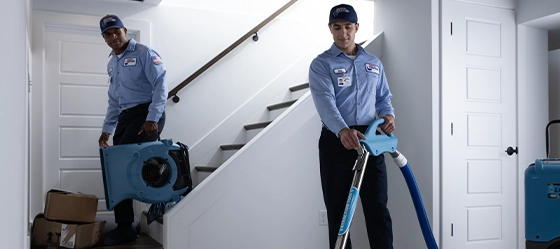
Address the Source and the Wet Materials
A repaired leak stops additional water from that fault, but it does not dry materials already affected. Tell the team where the water came from, if known, and whether it is still entering. That information helps guide assessment of both the source and the damage.
Stay out of standing water near electrical equipment. Keep people away from water that may be contaminated and do not disturb affected materials to inspect them yourself.
Report the rooms involved and when water was first noticed. A leak may affect visible flooring while moisture also reaches adjoining materials. The assessment determines the extent rather than relying on the first wet spot.
Water from a supply leak, wastewater and water arriving from outside can require different cleanup considerations. Describe the source if known and say when it remains uncertain. The team needs that context before the condition of contents and materials can be discussed.
Do not pull apart wet walls or flooring to investigate. Leave unsafe rooms clear and report access restrictions. You can arrange help before you know the full extent of the damage.
Serving the entire Indio metro area, Including:
Counties in the Indio Metro Area
Agree on the Affected Areas and Restoration Scope
The service plan should identify the wet rooms, materials and contents being addressed. Standing-water removal, drying and later finish repairs are distinct parts of recovery. Review what the proposed work includes and which separate tasks may remain.
Some materials may be suitable for drying; others may need removal based on their condition and the water involved. An assessment is needed before deciding what can be retained.
Indio’s pollution-prevention guidance treats pollutant releases to storm drains as illicit discharges. Contaminated cleanup water needs an appropriate disposal plan; moving it into an outdoor inlet does not resolve the property’s restoration needs.

Water Damage Restoration and Drying in Indio
Understand the Next Steps for the Space

Frequently Asked Questions
Can a floor feel dry while moisture remains below it?
A floor can feel dry while underlying or adjacent materials retain moisture after water damage. Surface feel alone does not establish the condition of the affected building. Describe where water originally appeared so the assessment and drying work can consider more than the visible surface.
Does fixing the leak also dry damaged materials?
Fixing a plumbing leak stops the source but does not remove water already released or dry affected building materials. If rooms, flooring or walls remain wet, mention those areas when requesting help. Water extraction and drying can then be assessed alongside the separate plumbing repair.
What if I do not know where the water came from?
If the source of water damage is unknown, report what you observed, where water appeared and whether it is still entering the property. Share when the area was last known to be dry if you know. Assessment can help establish the source and the required work.
Should I move drying equipment to use the room?
For water damage drying equipment, follow the service team’s operating instructions and discuss room access before moving or switching it off. Explain any doorway, occupancy or equipment-access concern. The team can address those needs in relation to the drying work and the materials being treated.
What is the difference between extraction and drying?
Water extraction removes standing water from the affected area. Drying addresses moisture retained in building materials after that water is removed. Both may be needed for water damage; assessment of the affected rooms and materials helps establish the required work and how progress will be evaluated.
SPECIAL FINANCING AVAILABLE
We have partnered with Synchrony Bank to offer financing options to make your plumbing repair expenses as convenient and stress-free as possible.