Drain Cleaning in Lincoln, NE
Prairie Clay and Plains Winters Put Lincoln Drains Under Constant Pressure
Lincoln sits on montmorillonite clay - a reactive soil that absorbs moisture during spring rains and humid summers, then shrinks during dry winter months. That constant expansion and contraction shifts underground drain lines, separates pipe joints, and creates low spots where waste accumulates.
Nebraska's frost line reaches 42 inches deep across Lancaster County. Repeated freeze-thaw cycles crack aging pipe joints and push cast iron and clay tile connections out of alignment. In Near South and the Historic Bungalow District around Woods Park, homes built in the early 1900s still rely on original drain materials that have endured a century of soil movement.
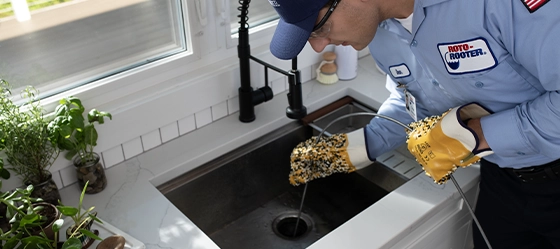
Roto-Rooter has provided professional drain cleaning since 1935. Our experienced plumbing technicians use professional-grade equipment to clear blockages and identify the underlying cause. Financing options available for qualifying customers.
Call 402-489-4801 or schedule service online.
Why Lincoln's Expansive Clay Soil Keeps Clogging Drain Lines
The montmorillonite clay beneath Lincoln swells during spring snowmelt and summer storms, then contracts and creates voids around pipe connections when the soil dries. That seasonal cycle damages underground drain infrastructure.
- Tree root intrusion: Roots penetrate cracks opened by soil movement. Near South, Sheridan Boulevard, and the East Campus area have mature canopies and aging pipes that make root intrusion the leading cause of drain blockages.
- Hard water mineral scale: Lincoln's water supply, drawn from Platte River wells near Ashland, carries elevated calcium and magnesium that deposit scale inside drain pipes, narrowing the opening and trapping grease.
- Freeze-thaw pipe damage: Nebraska winters cycle between sub-zero nights and above-freezing afternoons. Clay tile joints crack and shift with each cycle, creating offset connections that trap debris.
- Pipe belly and offset joints: Clay movement creates low spots and misaligned connections where waste collects, producing recurring slow drains.
- Deteriorated pipe materials: Near South homes built before the 1920s often have original clay tile sewer lines. Eastridge properties from the 1950s may contain Orangeburg pipe that collapses over time.
Call 402-489-4801 or book online for a professional assessment.
Lincoln Neighborhoods We Serve
Our drain cleaning technicians respond across Lincoln with fully equipped service vehicles.
- Near South and the Haymarket: Lincoln's oldest neighborhoods with homes dating to the late 1800s. Original clay tile sewer lines and a century of soil movement have created offset joints and root-compromised connections.
- Woods Park (Historic Bungalow District): Craftsman bungalows from the 1910s and 1920s with aging cast iron and clay tile drain pipes. Mature street trees drive frequent root intrusion.
- Sheridan Boulevard: Historic homes from the 1880s with some of Lincoln's earliest residential plumbing. The winding street layout follows natural terrain that affects pipe grading.
- East Campus and Professors Row: Early 1900s homes near the University of Nebraska with plumbing nearing a century of service. Hard water scale and root intrusion are common.
- Eastridge and Irvingdale: Mid-century homes with cast iron and early PVC lines. Some properties contain Orangeburg pipe that deteriorates over time.
- Extended coverage: Havelock, Bethany, College View, Piedmont, South Salt Creek, University Place, and surrounding Lancaster County communities.
What to Do During a Drain Emergency in Lincoln
A backed-up drain can escalate quickly during a Nebraska thunderstorm or spring snowmelt event. These steps help minimize damage before a technician arrives.
- Stop using water: Turn off faucets, dishwashers, and washing machines. Every gallon added to the system worsens the backup.
- Check other fixtures: If multiple drains back up at once, the blockage is likely in the main sewer line.
- Protect your basement: Move valuables and electronics off the basement floor. If water is rising through a floor drain, use a wet-dry vacuum at the lowest point.
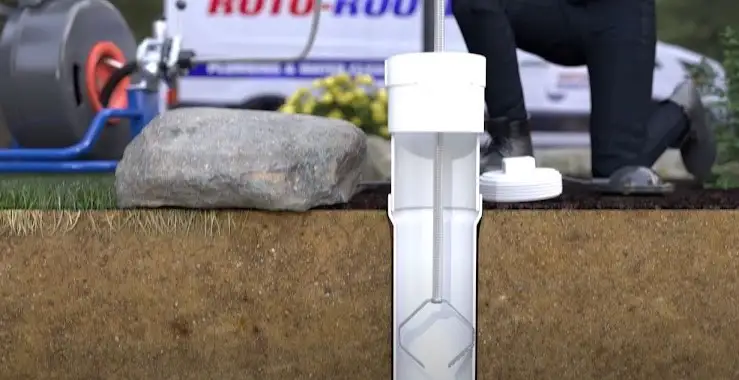
- Locate the cleanout: Most Lincoln homes have a cleanout access point in the basement or yard - a white PVC or cast iron cap near the foundation. Opening it can relieve pressure.
- Call 402-489-4801: Roto-Rooter responds 24/7, 365 days a year across Lincoln with fully equipped service vehicles.
Operated as an Independent Contractor - All available services, hours of operations, pricing structure, and guarantees may vary by location
Serving the entire Lincoln metro area, Including:
Counties in the Lincoln Metro Area
Basement Drains and Lincoln's Seasonal Backup Risk
Lincoln homes typically have full basements, and basement floor drains sit at the lowest point in the plumbing system. When a main sewer line develops a partial blockage, the basement is where wastewater surfaces first. Spring snowmelt and summer storms saturate Lancaster County's clay soil, raising the water table and pushing groundwater against foundation walls.
Warning signs include water pooling around the floor drain after running the washing machine, gurgling sounds when upper-floor fixtures drain, and sewage odors after rainstorms. Roto-Rooter technicians clear basement drain blockages and inspect the full main sewer line to find the cause. Call 402-489-4801 for prompt response.
What to Expect During Drain Cleaning Service
- Diagnosis first: The technician inspects affected drains and determines the likely cause based on your home's age, pipe material, and Lincoln's soil conditions.
- Camera inspection: A fiber-optic camera reveals the exact location and nature of the blockage. You can watch the live feed.
- Professional cleaning: The technician selects the right tool - cable machine for root masses, hydro jetting for grease and scale, or a combination approach.
- Verification: A second camera pass confirms the blockage is cleared and the pipe is in serviceable condition.
- Recommendations: If the camera reveals deterioration or structural issues, the technician provides repair or replacement options with upfront pricing.
Same-Day Drain Cleaning in Lincoln
SPECIAL FINANCING AVAILABLE
We have partnered with Synchrony Bank to offer financing options to make your plumbing repair expenses as convenient and stress-free as possible.