Water Damage Restoration in Lincoln, NE
Salt Creek, Flash Floods, and Basement Vulnerabilities Define Lincoln's Water Risks
Lincoln sits in a landscape shaped by water. Salt Creek and its tributaries - Stevens Creek, Antelope Creek, Deadman's Run, Beal Slough, and Middle Creek - wind through the city, creating a network of flood-prone corridors that have shaped municipal planning for decades. The Salt Creek levees protect downtown and surrounding neighborhoods along both banks from Calvert Street south to Superior Street north, but all areas behind those levees remain at increased risk of flood damage if the system is ever overwhelmed.
Basement flooding is the most common water damage scenario in Lincoln. Heavy thunderstorms can drop several inches of rain in under two hours, saturating soils that cannot absorb the volume fast enough. When Salt Creek runs high, it blocks drainage from neighborhoods that rely on gravity-fed storm sewers, pushing water back through floor drains and into basements. The South Bottoms neighborhood experienced significant street and basement flooding during major storms precisely because drainage was blocked by high water in Salt Creek.
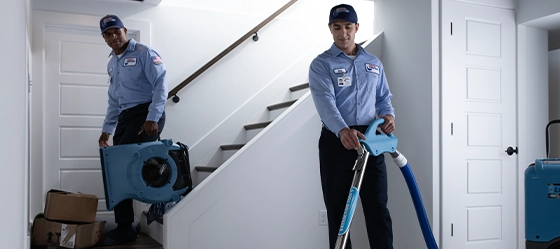
Roto-Rooter provides comprehensive water damage restoration in Lincoln, backed by decades of plumbing expertise since 1935. Our experienced plumbing technicians respond promptly with professional-grade extraction, structural drying, and restoration equipment. Call Roto-Rooter at 402-489-4801 or schedule service online for immediate water damage assistance.
Water Damage Situations Lincoln Homeowners Face
Nebraska's continental climate brings extreme seasonal variation that creates year-round water damage risks.
- Basement flooding from storm events: Lincoln's most common water damage call. Heavy thunderstorms overwhelm storm sewers and elevate creek levels, blocking drainage and pushing water into basements through floor drains, foundation cracks, and window wells. Sump pump failures during power outages compound the problem.
- Frozen and burst pipes: Lincoln winters regularly drop below zero for extended periods. Supply lines in unheated crawl spaces, exterior walls, and garages freeze solid and rupture. A burst pipe can release hundreds of gallons before the homeowner reaches the shutoff valve.
- Creek and stream flooding: Salt Creek, Antelope Creek, and Beal Slough rise rapidly during sustained rainfall. Properties near these waterways face direct flood exposure, and downstream neighborhoods experience drainage backups when creek levels stay elevated.
- Appliance failures: Water heaters, washing machines, and dishwashers are leading sources of residential water damage. Nebraska's mineral-rich groundwater deposits sediment on supply hoses and fittings, shortening their service life.
- Spring snowmelt flooding: Heavy snowfall followed by rapid warming creates large volumes of meltwater that saturate frozen ground. Water pools against foundations and enters through cracks, window wells, and gaps in exterior walls.
- Severe storm damage: Hail, high winds, and tornadoes can damage roofing and siding, allowing rainwater to enter attic spaces and wall cavities where it causes hidden structural damage.
Lincoln Neighborhoods We Serve
Roto-Rooter provides water damage restoration throughout Lincoln, NE. Our technicians respond promptly to emergencies across the city.
- Near South, South Bottoms, and Downtown: Properties within the Salt Creek levee protection zone face the highest flood risk if the system is overwhelmed. Older homes in Near South feature original plumbing and foundation systems vulnerable to water intrusion during heavy rain events.
- Havelock, University Place, and Clinton: Mid-century neighborhoods with aging storm sewer connections. Basement flooding is a recurring problem during intense summer storms, particularly where original drain tile has deteriorated.
- South Lincoln and Beal Slough area: Homes along the Beal Slough drainage corridor experience backup flooding when the channel reaches capacity during heavy rainfall. Development south of the city continues to increase runoff volumes.
- Northeast Lincoln and Stevens Creek area: Newer subdivisions built on agricultural land with altered drainage patterns. Despite modern stormwater retention, intense precipitation events can overwhelm designed capacity and direct water toward homes.
Operated as an Independent Contractor - All available services, hours of operations, pricing structure, and guarantees may vary by location
Frequently Asked Questions
Will my homeowners insurance cover water damage?
Most Lincoln homeowners policies cover sudden and accidental water damage, such as burst or leaking pipes and appliance failures. Sewer backup coverage is typically a separate endorsement, and flood insurance requires a separate policy. Roto-Rooter provides documentation to support your claim.
How quickly should water damage be addressed in Lincoln?
Water damage should be addressed within hours. Even during cooler months, mold can begin growing on damp materials within 48 hours. In summer humidity, that timeline shortens. Rapid extraction and dehumidification significantly reduce secondary damage. Call Roto-Rooter at 402-489-4801 for prompt response.
How does Salt Creek affect flooding risk in Lincoln?
Salt Creek and its tributaries are the primary flood threat in Lincoln. When creek levels rise during heavy rain, they block gravity-fed storm sewer outfalls, preventing neighborhoods from draining normally. This causes water to back up through floor drains and into basements even in areas not directly adjacent to the creek.
What should I do if my pipes freeze during a Lincoln winter?
Do not attempt to thaw frozen pipes with an open flame. Shut off the water supply to the affected area. If a pipe has already burst, close the main water valve and call Roto-Rooter at 402-489-4801. Our technicians respond promptly to extract water and begin drying before mold has time to develop.
Can sump pump failure cause water damage?
Sump pump failure is one of the most common causes of basement flooding in Lincoln. Pumps can fail due to power outages during storms, mechanical breakdown, or being overwhelmed by water volume that exceeds their capacity. Professional restoration addresses both the water damage and the underlying drainage issue.
Does Roto-Rooter handle basement flooding in Lincoln?
Yes. Basement flooding is our most common water damage call in Lincoln. Our teams extract standing water, sanitize surfaces contaminated by sewer backup, deploy structural drying equipment, and identify the entry point to help reduce the risk of repeat events.
Serving the entire Lincoln metro area, Including:
Counties in the Lincoln Metro Area
Financing Options for Water Damage Restoration
Restoration costs can add up quickly after unexpected water damage. Roto-Rooter offers convenient financing through Synchrony Bank to help Lincoln homeowners manage expenses without delaying critical repairs. Financing lets you authorize work right away while spreading costs into manageable monthly payments.
Roto-Rooter provides free estimates so you understand costs before work begins. Our team also works with your insurance company to document damage and support your claim. Call 402-489-4801 to discuss restoration needs and financing options.
What to Do When You Discover Water Damage in Your Lincoln Home
Acting quickly after discovering water damage limits destruction and reduces costs.
- Stop the water source: If the water is coming from a plumbing failure, shut off the main water supply valve. For basement sewer backup, stop using fixtures that drain to the affected area. For storm-related flooding, focus on safety first.
- Protect yourself and your property: Avoid contact with standing water, especially sewer backup water. Stay away from electrical outlets and panels near water. Move valuable items above the water line.
- Call Roto-Rooter immediately: Contact Roto-Rooter at 402-489-4801 as soon as the situation is safe. Our technicians respond promptly to begin extraction and prevent mold growth.
- Document the damage: Take photos and videos of all affected areas before cleanup begins. This documentation supports your insurance claim.

Same-Day Water Damage Restoration in Lincoln
Trusted Water Damage Restoration Across Lincoln

SPECIAL FINANCING AVAILABLE
We have partnered with Synchrony Bank to offer financing options to make your plumbing repair expenses as convenient and stress-free as possible.