Sump Pump Repair and Installation in Manhattan
Key Takeaways: The Sump Pump That Guards a Building's Machinery
- An inch of water is a serious event in Manhattan, because the lowest floor holds the heating plant, the water heater, the electrical service and the elevator pit rather than boxes of holiday decorations.
- Water rarely arrives as a wave. It weeps through mortar joints, around old service penetrations and up through the slab, which is why the pit fills quietly and nobody notices until the equipment beside it is standing in it.
- A pump that almost never runs is a pump nobody has ever heard run, and a float switch that has sat still for a year is the most likely part to be stuck when it is finally called on.
- The discharge run from a cellar to a legal outlet is long and mostly vertical, so the check valve is holding up a tall column of water every time the motor stops.
- Losing the building's power means losing the pump, and a battery backup here is buying the hours it takes to get a service crew to the door.
- Groundwater near the shoreline edges of Manhattan sits higher than most owners expect, and a cellar cut deeper during a past renovation can sit in it.
- Roto-Rooter is fully licensed and insured and answers in Manhattan 24/7, 365 days a year.

Nothing about this equipment is glamorous and nothing about it is optional. In Manhattan the pump sits in the one room the whole building depends on, and no other market in New York concentrates so much of a property into a single below-grade floor. That changes what a failure costs long before it changes anything about the water.
An Inch of Water Where the Machinery Stands
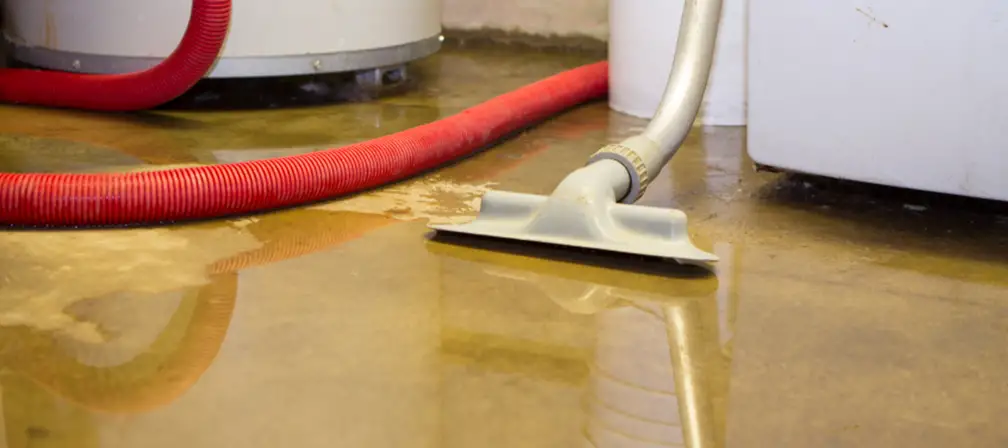
Walk into the lowest level of almost any older building here and you find the heating plant, the domestic hot water tank, the electrical service, the house pumps, the laundry and, at the bottom of the shaft, the elevator pit. All of it is set on or close to the floor. A depth of water that would be an inconvenience in a suburban storage room is, at this address, a boiler room out of service, a service panel nobody should approach and an elevator locked out until an inspector clears it.
That is the argument for taking a quiet sump pump seriously in Manhattan. The quantity of water involved is often small. The consequence is not proportional to the quantity, it is proportional to what happens to be standing on that floor, and in a residential or mixed-use building on this island that is everything the tenants actually notice.
How Does Water Reach a Cellar in the Middle of a Block?
Three ways, mostly. The island is built on rock, but along its edges and across a good deal of the lower end the ground is fill placed over generations, and fill holds water. Where a cellar sits in that material the water table can be within a few feet of the floor, particularly near the two rivers, and it presses in wherever the envelope is weakest. Older mortar joints, abandoned pipe penetrations and the seam where the slab meets the wall are all weak points, and none of them leak dramatically. They weep.
The second source is the street side of the building: an areaway at the foot of the stoop, a vault under the sidewalk, a hatch that has not sealed properly in decades. Rain that lands on the sidewalk has to go somewhere and gravity sends it into the lowest opening. The third is the building's own plumbing, a slow leak from a buried line or a condensate drain running to the pit that nobody remembers connecting. All three produce steady inflow rather than a flood, which is precisely the condition a sump pit exists to handle and precisely the one nobody supervises.
Serving the entire Manhattan metro area, Including:
Counties in the Manhattan Metro Area
The Long Vertical Run, and What Holds the Column Up
Discharge is harder in a dense city than almost anywhere, and it is where most of the avoidable failures live. A cellar pump is not pushing water a few feet across a lawn, it is lifting it a full story or more to reach a legal outlet, and that column of water in the pipe stays there between cycles. The check valve is the only thing holding it. When the valve wears, the column drops back into the pit the instant the motor stops, the float switch lifts again, and the pump enters the short cycling that kills more motors in Manhattan than age ever has.
The rest of the run deserves the same attention. A line that has been extended by three different contractors over three decades usually has at least one sag, one undersized section and one joint nobody in New York would defend. Any of those reduces what leaves the building without producing a single visible symptom until the day the inflow rises. Tracing the line end to end, from the pit to the point where water actually exits, is an unglamorous hour that changes what everyone assumes about the system.
Sump Pit Depth in a Floor That Has Been Lowered Twice
Sizing questions look academic until you watch them play out in Manhattan. A pit that is too shallow refills before the motor has cooled and the unit short cycles through its duty cycle in a season. A pit that is too large lets water stand until it goes stale and drops sediment onto the intake, which is where the clogged screen described earlier comes from. Both are set by whoever cut the hole, and in a building that has been altered repeatedly the person who cut it was solving a floor plan that no longer exists.
Continuous running is the reading people misinterpret most. Near the shoreline it can be entirely normal in a wet stretch, because groundwater is genuinely arriving that fast. What is not normal is continuous running in a dry month, a run time that has grown for the same conditions, or a motor cutting out on its own thermal protection and going silent for twenty minutes. Those are diagnoses.
Battery Backup When the Building Loses Its Feed
The most common real gap in Manhattan installations is the absence of any second source of power. A battery backup is a second pump with its own supply, and in a building where the lowest floor carries the mechanical plant it is protecting far more than the floor itself. Be precise about what it does. It carries a pit through an outage of hours, and how many hours depends entirely on the rate of inflow. It is not indefinite, it is not a replacement for a primary pump that is failing, and it is not a substitute for someone knowing the system exists. A high-water alarm alongside it is worth more here than in almost any other setting, because the room is often locked and nobody goes in for weeks.
Testing a Pump That Almost Never Runs
Pour water slowly into the pit until the float switch lifts. The pump should start, clear the pit, and stop cleanly without restarting a second later. Listen for a hum with no flow, watch whether the level jumps straight back up when the motor cuts out, and time the run so there is a number to compare against next time. Twice a year is enough, and in a New York building the sensible schedule is before the wet part of spring and again before the heating season, when somebody is down there anyway.
What the test cannot answer is whether the unit keeps up under real inflow, whether the long vertical run is clear, or what happens with no power. Those need someone assessing the pit, the pump, the valve and the outlet as one system.
The Work We Do, and the Trade We Are Not
Repair, replacement, new installation, backup systems, check valve work, discharge line work and a full diagnosis of the pit are all things Roto-Rooter handles. Waterproofing a foundation, excavating outside a wall and structural repair are a different trade and we do not perform them or offer to look at them. In a Manhattan cellar where seepage through old masonry is the normal condition, that line matters: a larger pump does not seal a wall. A pump manages the water that reaches the pit, and no honest account of one claims more.
Where water has already reached the equipment or the finishes, cleanup is separate work. See Manhattan water damage restoration for that, and the Manhattan plumbing page for everything else this team covers.
Request a Sump Pump Inspection for Your Building in Manhattan
Roto-Rooter has worked on New York plumbing since 1935 and is fully licensed and insured. Call 212-687-1662 or schedule online to have the pit, the pump, the float switch, the check valve and the full length of the discharge run assessed together. Roto-Rooter provides on-site estimates before any work begins and answers 24/7, 365 days a year. When the lowest floor holds the heat, the hot water and the elevator, a tested pump is the plumbing peace of mind that belongs on the maintenance calendar rather than on the emergency list.

Six Warnings You Can Read Off the Pit
Old Masonry, Made Ground and Water That Arrives Slowly
SPECIAL FINANCING AVAILABLE
We have partnered with Synchrony Bank to offer financing options to make your plumbing repair expenses as convenient and stress-free as possible.