Leak Detection in Memphis, TN
Clay Soil and Century-Old Pipes - Tracking Down Memphis Leaks Before They Cause Real Damage
Memphis sits on deep layers of clay-based soil that absorbs moisture, swells during the rainy season, and contracts through dry summer stretches. This constant soil movement stresses underground plumbing connections throughout the metro area, cracking joints and shifting pipes that may have been in the ground for decades. Add the city's aging infrastructure, high humidity, and aggressive tree root systems, and hidden leaks become one of the most common and costly plumbing problems Memphis property owners face.
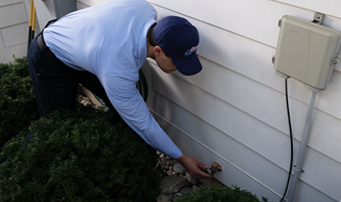
Roto-Rooter's experienced plumbing technicians use professional-grade leak detection equipment to locate hidden leaks without tearing apart walls, floors, or landscaping. Our approach pinpoints the exact source so repairs target the problem directly.
- Available 24/7, 365 days a year: Emergency and scheduled leak detection for residential and commercial properties throughout Memphis.
- Non-invasive detection methods: Roto-Rooter is fully licensed and insured with experienced plumbing technicians trained in acoustic, thermal, and pressure-based detection that preserves your home's interior and landscaping.
- Accurate location technology: Identifies slab leaks, underground line leaks, and hidden pipe failures without guesswork or unnecessary demolition.
Call Roto-Rooter at 901-712-0556 or schedule service online to locate and stop leaks fast.

What Makes Memphis Plumbing Especially Vulnerable to Leaks
The Mississippi River Valley geology, seasonal weather extremes, and construction history of Memphis create a combination of leak risk factors that put constant pressure on residential and commercial plumbing systems.
- Expansive clay soil: Memphis sits on heavy clay that swells when saturated by rain and contracts during dry periods. This seasonal heaving shifts underground water lines, separates pipe joints, and stresses connections buried beneath foundations and yards.
- Aging pipe materials: Homes built before 1980 across Memphis often contain galvanized steel water lines and vitrified clay sewer pipes. Galvanized steel corrodes internally after 40 to 50 years, and brittle clay pipes crack under soil pressure and root intrusion.
- Aggressive tree root intrusion: Memphis's mature hardwood trees, including oaks, maples, and sweetgums, extend root systems that actively seek moisture in underground pipe joints. Roots penetrate small cracks and expand inside pipes, creating blockages and accelerating joint failure.
- High humidity and persistent moisture: Memphis averages more than 53 inches of rainfall per year. This persistent moisture keeps clay soil saturated for extended periods, maintaining pressure on underground pipes and keeping tree roots actively growing toward plumbing connections.
- Freeze-thaw cycling: Memphis winters bring temperatures that cross the freezing mark multiple times between December and February. Exposed pipes in crawl spaces and exterior walls endure expansion and contraction that weakens joints and fittings.
Neighborhoods and Areas We Serve Across Memphis
Roto-Rooter provides leak detection services to residential and commercial properties throughout Memphis. Each area presents its own plumbing challenges shaped by construction era, soil conditions, and infrastructure age.
- Midtown and Cooper-Young: Properties built between the 1910s and 1950s contain some of the oldest plumbing in Memphis, including galvanized steel supply lines and cast iron drain pipes. The dense clay soil in these established neighborhoods amplifies soil movement damage.
- East Memphis and Germantown: Development during the 1960s and 1970s means many homes contain aging copper supply lines and clay sewer laterals. The mature tree canopy throughout these neighborhoods creates significant root intrusion risk.
- Cordova and Bartlett: Rapid suburban development during the 1980s and 1990s used construction-era materials now approaching mid-life. Clay soil conditions in eastern Shelby County create persistent foundation movement.
- Downtown and South Memphis: Properties near the Mississippi River sit on alluvial soil with higher moisture content that accelerates external pipe corrosion and creates challenging detection conditions.
Operated as an Independent Contractor - All available services, hours of operations, pricing structure, and guarantees may vary by location
Serving the entire Memphis metro area, Including:
Counties in the Memphis Metro Area
Steps to Protect Your Memphis Property
- Insulate pipes before winter: Pipes in crawl spaces and along exterior walls need insulation before Memphis's first freeze. Pipe sleeves and heat cable prevent the freeze-thaw damage that leads to burst or leaking pipes.
- Manage tree roots proactively: Memphis's mature hardwood trees send roots toward plumbing connections. Regular video inspection of drain and sewer lines catches root intrusion early.
- Monitor your water bill: A sudden increase in water usage with no change in habits often indicates a hidden leak. Memphis Light, Gas and Water provides usage tracking tools that flag consumption spikes.
- Schedule annual leak inspections: A professional detection survey catches developing problems before they cause structural damage or significant water waste.
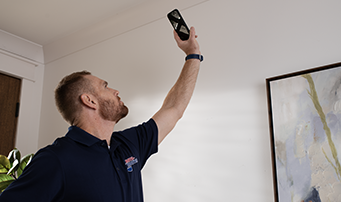
Same-Day Leak Detection in Memphis
Call Roto-Rooter for Leak Detection in Memphis - Available 24/7
SPECIAL FINANCING AVAILABLE
We have partnered with Synchrony Bank to offer financing options to make your plumbing repair expenses as convenient and stress-free as possible.