Sump Pump Repair and Installation in Salt Lake City
Key Takeaways: The Water Here Leaves Something Behind
- This is hard water country, and the mineral content that scales a water heater is in the groundwater a pit collects too.
- Equipment does not usually fail here from being overwhelmed. It fails from being coated: a float arm that stops swinging, an impeller losing efficiency, a check valve that no longer seats.
- Where iron is present in the groundwater there is a second version, an orange deposit that clogs drainage, pits and intakes far faster than mineral scale alone.
- That makes cleaning and inspection the main maintenance activity, rather than adding capacity.
- Four faults still cover most calls: a float switch that cannot move, a fouled intake, a seized impeller and a check valve letting the pit refill on every cycle. Here, deposits cause three of them.
- Spring snowmelt from the mountains lifts the water table in the valley, which is the reason most of these pits are wet at all.
- Roto-Rooter is fully licensed and insured and answers in Salt Lake City 24/7, 365 days a year.

Everybody in this valley knows what the water does to a kettle, a shower head and a water heater. Very few people connect that to the pump in the floor, and it is the same water. Groundwater collected in a pit carries dissolved minerals just as the supply does, and equipment sitting in it for years accumulates the evidence.
Hard Water Below Ground as Well as Out of the Tap
Mineral-rich water leaves deposits wherever it evaporates, wherever it is agitated, and wherever it sits against a surface for a long time. A sump pit provides all three. The waterline inside the pit builds a ring. The float arm and its pivot collect a coating that gradually stiffens the movement. The impeller loses a little efficiency each season. The check valve seat, which has to close cleanly on every cycle, is exactly the sort of small precise surface that deposits ruin first.
Scale, Staining and the Orange Deposit
There is a second mechanism worth knowing about, because when it is present it dominates everything else. Where iron is dissolved in the groundwater, naturally occurring bacteria can convert it into an orange or rust-colored gelatinous deposit that coats surfaces and blocks small openings. It is not dirt and it does not wash off the way silt does. In a Salt Lake City pit it shows up as orange staining on the walls, a slick coating on the pump body, a slimy film on the intake screen and, worst of all, gradual blinding of the drainage feeding the pit.
The practical significance is that both mechanisms are progressive and quiet. Nothing breaks. Output falls, run times lengthen, a float begins to hesitate, and the household notices none of it until the season when the margin runs out.
Serving the entire Salt Lake City metro area, Including:
Counties in the Salt Lake City Metro Area
Maintaining Equipment That Is Slowly Being Coated
The maintenance here is different from the maintenance elsewhere, and it is mostly cleaning. The pit gets emptied and the deposits taken off its walls. The pump comes out and its body, intake screen and impeller housing are cleaned rather than merely looked at. The float and its pivot are worked through their full travel and cleaned until they move freely. The check valve is opened and its seat inspected, because a coated seat is invisible from outside and it is the reason a great many Salt Lake City pumps double their number of starts without anyone noticing.
Where the orange iron deposit is present, that schedule needs to be more frequent and the drainage feeding the pit deserves attention as well, since the same coating reduces what the drainage can deliver. It is the one situation in which a pit that seems to be doing less work is worse news rather than better.
The Discharge Line and What Builds Up Inside It
A discharge line carrying mineral-rich water narrows over time, particularly at fittings and at the check valve. A narrower pipe means the pump works harder for the same result, run times lengthen and the motor spends its life faster, and none of that produces a symptom anybody reports. The other requirement is unchanged: the run has to carry water far enough from the building that it does not soak back to the drainage at the footing and return to the pit.
The check valve on that run stops the standing column of water in the pipe from falling back at shutoff. It is small, cheap and easy to replace, and in this water it should be treated as a wear item on a schedule rather than a fitting that lasts forever. When it fails, the pit refills instantly, the pump restarts, and the number of starts doubles.
Cycling, and a Pit That Is Slowly Getting Smaller
A pit with too little water volume between its start and stop levels fills faster than the pump can comfortably clear, so the motor starts constantly and burns through the number of starts it was rated for. The version of that problem particular to this market is a pit that was the right size when it was cut and has been accumulating deposits ever since, along with an intake screen that passes less each year.
So the rhythm is the thing to watch. Learn what an ordinary spring cycle sounds like while the equipment is clean, and note the run time. A pump taking noticeably longer to clear the same pit is reporting a restriction somewhere, and in Utah the restriction is usually something that can be cleaned off rather than something that has to be replaced.
A Test and a Proper Look, Twice a Year
Pour water slowly into the pit until the float switch lifts. The pump should start, clear the pit and stop cleanly without restarting a moment later. Listen for a hum with no flow. Watch whether the level jumps back up at shutoff. Then, and this matters more here than in most markets, look at the surfaces: the pit walls, the float pivot, the intake screen and the color of anything coating them.
Do it before the melt rather than during it. What the test cannot tell you is what happens with no electricity, and a mountain storm is capable of taking the power down while the water table is already high. A battery backup is a second pump with its own power source, carrying a pit through an outage of hours rather than days, with fewer hours as the inflow rises. Its own float and intake collect the same deposits as the primary, so a backup that has never been cleaned is a backup nobody should rely on.
What Cleaning Cannot Fix
Repair, replacement, new installation, pit clean-outs, backup systems, check valve and discharge line work and full diagnosis of the pit are ours. Foundation repair, exterior waterproofing and structural work are not, and Roto-Rooter does not take them on. Cleaning restores a coated system to the condition it was in, and it does not change how much water arrives or where it comes from. A sump pump lowers the water that reaches the pit, and that remains true however clean the impeller is.
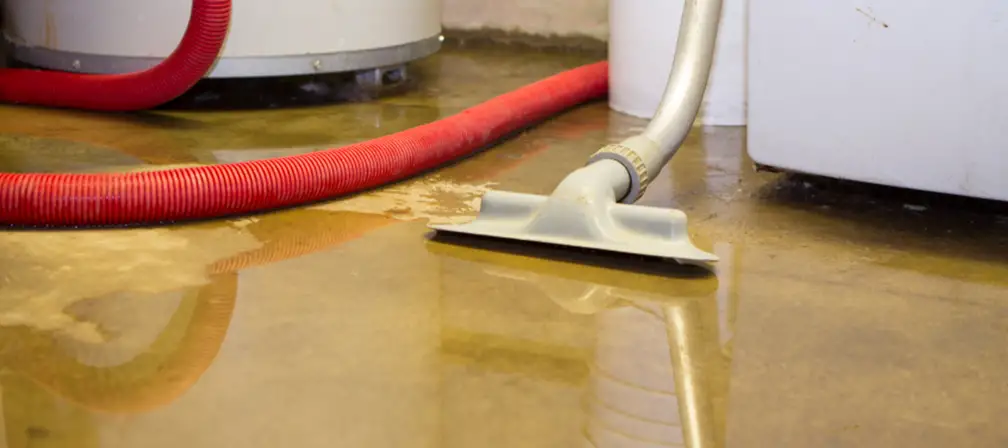
Where water has already been across the floor, drying and cleanup are separate work. See water damage restoration in Salt Lake City for that, and the Salt Lake City plumbing page for everything else we handle here.
Book a Pit Clean-Out and Pump Check in Salt Lake City
Roto-Rooter has served Utah homeowners since 1935 and is fully licensed and insured. Call 385-200-3053 or schedule online to have the pit cleaned and the float switch, intake, check valve and discharge run inspected for buildup, ideally before the spring melt puts the system back to work. Roto-Rooter provides on-site estimates before any work begins and answers 24/7, 365 days a year. That is plumbing peace of mind in a valley where the water leaves a mark on everything.

Signs the Problem Is Chemistry Rather Than Volume
Snowmelt, Lakebed Ground and Very Hard Water
SPECIAL FINANCING AVAILABLE
We have partnered with Synchrony Bank to offer financing options to make your plumbing repair expenses as convenient and stress-free as possible.