Sump Pump Repair and Installation in San Francisco
Key Takeaways: Two Different Grounds, One Sump Pump Problem
- Which side of the San Francisco ridges a house sits on changes what the pump is up against, and it is the first question worth answering before diagnosing anything.
- On the deep sand across the western neighborhoods the water arrives quietly and does not stop, so the pump holds a level down for months and wears out on run hours rather than on age.
- On the made ground and rock of the eastern and southeastern flats the water collects and arrives in bursts, so the same pump faces a peak-flow problem instead.
- Rain in San Francisco comes as long frontal systems rather than cloudbursts, which means saturation builds over days and the hardest hours arrive well after the storm began.
- Sand carried in with the water scores an impeller and packs an intake screen, and it settles into the bottom of the pit until the working depth has quietly halved.
- Most of the equipment here sits in a garage or storage level at street grade or in a shallow crawl space, so the lift to a legal outlet is short but the run to it is awkward.
- Roto-Rooter is fully licensed and insured and answers in San Francisco 24/7, 365 days a year.

Two houses a mile apart in San Francisco can have the same pump, the same pit and completely different problems. The ground under them is not the same material, and almost everything about this service follows from that.
Sand That Never Stops Handing Water Over
Across the western half of San Francisco the ground is windblown dune sand, in places very deep. Sand does not resist water, it conducts it, and it does so without any drama at all. Through a wet winter the saturated zone in that material rises toward the surface and stays there, so a pit cut into it fills steadily whether or not anything is falling. Owners here describe a pump that runs on clear days and assume it is faulty. It is usually reporting on groundwater, and the correct response is to size the installation for continuous work.
The sand comes with the water. Fine grains pass a worn intake screen, score the impeller and leave the motor humming under load, and what does not get pumped settles into the bottom of the pit. A pit that had a comfortable working depth when it was cut can be running on half of it a decade later, with the float switch tripping early and the unit short cycling for reasons that have nothing to do with the pump.
Made Ground That Holds It and Lets Go All at Once
The eastern and southeastern flats of San Francisco are a different story. Much of that low ground is made land, filled and graded as the city grew, sitting over soft bay mud with rock not far below in places. Fill of that kind is uneven: some of it drains, some of it holds, and rock underneath it holds nothing at all, so water travels along the top of it until something interrupts it. A house downhill of that flow does not get a steady trickle, it gets a surge some hours into a storm, and a pump sized for the western pattern will be behind from the start.
The failure modes are the same five everywhere and each has a symptom. A float switch drifts against the pit wall or fouls on the discharge pipe and the pump never starts. A screen packs and the motor moves nothing. An impeller seizes and the unit hums. A check valve loses its seal, the column in the line drops back into the pit at every shutoff, and the short cycling finishes a motor years early. The fifth is the outage, when a winter front brings the wind that puts a line down at the same hour the ground starts delivering.
Serving the entire San Francisco metro area, Including:
Counties in the San Francisco Metro Area
Sizing a Sump Pump for the Ground You Actually Have
Selection is where the two San Francisco grounds diverge in practice. A pit that fills slowly and constantly wants equipment chosen for endurance and a pit sized to give the motor a real run and a proper rest, because the enemy is total run hours. A pit that sits quiet and then takes a surge wants capacity at the lift it actually has to work against, because the enemy is the peak. Fit the wrong one and the pump is not defective, it is simply the wrong tool, which is why so many replacements here reproduce the original complaint.
Both cases live or die on the check valve. It holds the standing column of water in the discharge line between cycles, and when it wears the column drops back into the pit at every shutoff, the float switch lifts again and the pump short cycles itself to an early end. It is a small part with an outsized effect on how long a motor lasts, and on continuous duty it is the first thing worth inspecting.
Getting Water to the Street From a Garage Level
The lift out of a garage-level pit is usually modest, and that lulls people into ignoring the run. The route still has to reach a point where water genuinely leaves, which on a lot built wall to wall generally means out to the street frontage rather than to anywhere on the property. Water released a few feet from the building on saturated sand goes straight back down and returns to the pit within the hour, and the pump spends its life moving the same water.
A line that has been extended or rerouted by successive owners is worth tracing end to end. A sag, an undersized section or an opened joint reduces how much actually leaves without producing a symptom until the inflow rises, and the outlet is easy to confirm: run the pump and go outside and look.
What Short Cycling Means in a Shallow Pit
Depth is in short supply in the San Francisco housing stock. A shallow sump pit gives the float switch very little travel, so the pump starts and stops constantly and burns through its rated duty far faster than the specification suggests. Years of sand settling in the bottom shrink the usable depth further, so a pit that behaved when it was cut can be cycling twice as often a decade later with nothing broken. Clearing accumulated sediment sometimes restores enough depth to change the behavior entirely.
Continuous running during a long front can be perfectly correct, especially on sand. The readings that indicate a problem are a run time that has grown for the same weather, a motor cutting out on its own thermal protection and going quiet for twenty minutes, and restarts that come within a second or two of shutoff.
Backup Power Through a Long Frontal System
The most common real gap on these installations is the absence of a second source of power. Winter fronts arrive on this stretch of the California coast with wind, lines come down, and outages can run past the point where a single battery is comfortable. A battery backup is a second pump with its own supply, and the honest description of it is that it covers an outage of hours rather than days, with the number of hours depending entirely on how fast water is arriving. It is not a substitute for replacing a primary pump that is failing. In a garage or crawl space nobody visits daily, a high-water alarm beside it is what turns a silent failure into a warning.
A Test Worth Doing Before the First Front
Pour water slowly into the pit until the float switch lifts. The pump should start, clear the pit and stop cleanly without restarting a second later. Listen for a hum with no flow, watch whether the level jumps straight back up at shutoff, and time the run so there is a number to compare against next year. Look at how much sand has collected in the bottom while the lid is off, and scoop it out if there is a layer.
Autumn is the month, before the season starts rather than in the middle of it. What the test cannot tell you is whether the unit keeps up under real inflow or whether the discharge run is clear to the street, and those need somebody assessing the whole installation.
The Repair We Do, and the Ground Work We Do Not
Repair, replacement, new installation, backup systems, check valve work, discharge line work, clearing a silted pit and diagnosing how water reaches it are all things Roto-Rooter does. Foundation repair, exterior excavation, retaining work and sealing a structure are a different trade and we do not perform them or offer to look at them. On ground that delivers water continuously for months, that boundary is worth saying plainly: a larger motor does not lower a water table. A sump pump manages the water that reaches the pit and nothing more than that.
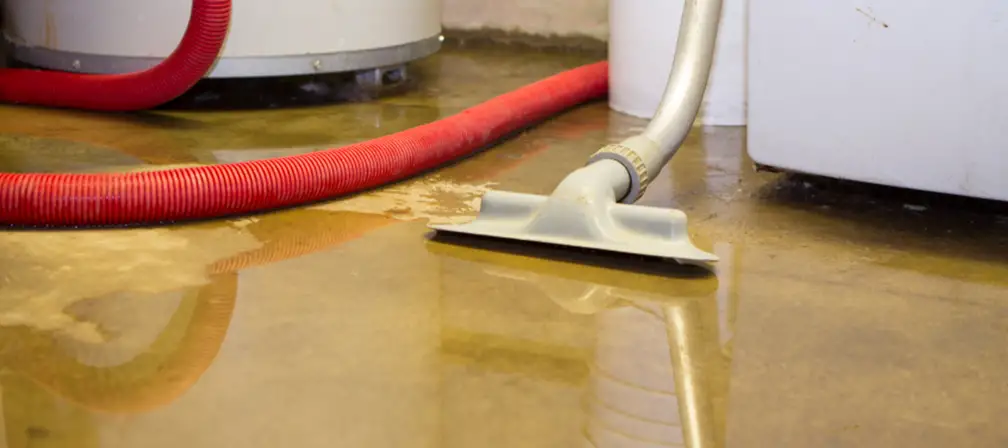
Where water has already spread across a floor, cleanup is separate work. See San Francisco water damage restoration for that, and Roto-Rooter plumbing in San Francisco for everything else this team covers.
Book a Sump Pump Inspection in San Francisco Before the Season Starts
Roto-Rooter has worked on California plumbing since 1935 and is fully licensed and insured. Call 415-656-2130 or schedule online to have the pit, the pump, the float switch, the check valve and the run out to the street looked at together, with the ground the property sits on taken into account rather than guessed at. Roto-Rooter provides on-site estimates before any work begins and answers 24/7, 365 days a year. Equipment matched to the ground it is working in is the plumbing peace of mind worth arranging while the weather is still dry.

Symptoms That Tell You Which Ground You Are On
Dune Sand on One Side, Filled Ground on the Other
SPECIAL FINANCING AVAILABLE
We have partnered with Synchrony Bank to offer financing options to make your plumbing repair expenses as convenient and stress-free as possible.