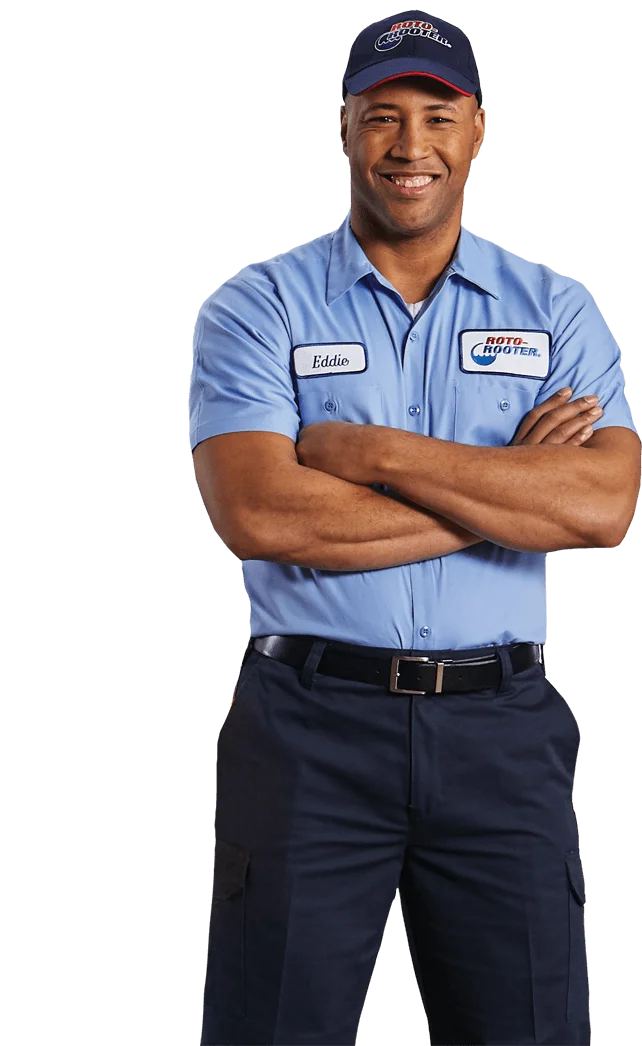
Drain Specialists You've Trusted For Over 90 Years
Operated as an Independent Franchise - All available services, hours of operations, pricing structure, and guarantees may vary by location
St Cloud Drain Cleaning Services
Since 1935, Roto-Rooter has built a national reputation on one straightforward promise: show up, diagnose accurately, and clear the problem. That same standard applies to every drain call in St Cloud, WI - available 24/7, 365 days a year, because backed-up drains and blocked lines don't wait for business hours. From slow kitchen drains to main line blockages, Roto-Rooter technicians arrive with the tools and training to handle the full range of drain issues. Here's a closer look at the drain cleaning services available.
- Availability: Roto-Rooter dispatches a technician 24/7, 365 days a year, ready when drain emergencies arise.
Contact Roto-Rooter at 920-922-9002 or schedule service online.
24/7 Drain Cleaning in St Cloud, WI
A backed-up drain rarely announces itself at a convenient hour. Roto-Rooter's dispatch network operates 24/7, 365 days a year - so whether a main line backs up on a Sunday night or a floor drain overflows before dawn, a technician is available to respond. Call 920-922-9002 any time to get service scheduled.
The urgency of a drain emergency depends on where the blockage sits. A single slow sink is an inconvenience. A main sewer line backup that pushes water into floor drains or causes toilets to gurgle when another fixture runs is a whole-house problem that needs immediate attention. Roto-Rooter technicians carry the equipment to diagnose both - from hand augers for localized clogs to sewer cameras for tracing the blockage's exact location in the main line. Fast diagnosis means faster resolution, not guesswork.

Drain problems follow predictable patterns. Understanding what causes each type of clog helps explain why the right tool matters - and why the same drain can keep backing up if only the symptom is treated instead of the source.
Kitchen Drain Clogs
Kitchen drains fail gradually. Cooking grease enters the line as a liquid, cools against the pipe wall, and solidifies into a sticky layer. Food solids and soap scum bind to that layer over time, narrowing the pipe until water barely moves. By the time a kitchen drain is fully blocked, the buildup typically extends well past the P-trap and into the branch line. An auger clears the immediate obstruction; hydro jetting scours the pipe wall clean so the buildup cycle resets.
Bathroom Drain Clogs
Hair is the primary culprit in tub, shower, and sink drains. It binds with soap scum just past the P-trap, forming a dense mass that catches everything else moving through the line. These clogs respond well to mechanical augering, which pulls the mass out rather than pushing it deeper. Recurring bathroom clogs in the same fixture usually signal that the original blockage was never fully cleared.
Main Sewer Line Backups
When multiple fixtures back up simultaneously - toilets gurgling while a washing machine drains, or a basement floor drain backing up during a shower - the blockage is almost always in the main sewer line, not at the individual fixture. A Roto-Rooter technician uses a sewer camera to locate the blockage before clearing it, confirming whether the cause is grease accumulation, root intrusion, or a structural issue like a belly or partial collapse in the line.
Frequently Asked Questions in Saint Cloud
How long does a professional drain cleaning typically take?
Most single-drain clogs - a kitchen sink, bathroom tub, or shower - are cleared in under an hour. A main sewer line service takes longer because it involves camera inspection to locate the blockage, mechanical clearing, and a follow-up camera pass to confirm the line is open. The exact time depends on the depth of the blockage and whether root cutting or hydro jetting is required. Call 920-922-9002 to schedule service in St Cloud, WI and the dispatcher can give you a better estimate based on your symptoms.
How do I know if I need hydro jetting or if a standard auger will do the job?
An auger is the right starting point for most residential clogs - hair, soft grease, and organic buildup respond well to mechanical clearing. Hydro jetting becomes the better choice when the same drain clogs repeatedly in a short period, when a camera inspection reveals heavy scale coating the pipe wall, or when root debris needs to be flushed out of the line after augering. Roto-Rooter technicians assess the drain's condition before recommending one method over the other.
Why does my basement floor drain back up first when there's a problem?
The basement floor drain sits at the lowest point in the home's entire drainage system. When the main sewer line develops a blockage, wastewater has nowhere to go except back up through the path of least resistance - which is that lowest drain. It's an early warning sign of a main line issue, not a problem with the floor drain itself. Roto-Rooter investigates the main line whenever a floor drain backup is reported.
Is drain cleaning available if a line backs up late at night or on a weekend?
Roto-Rooter is available 24/7, 365 days a year. A main line backup or a drain that's overflowing into living space can't wait until Monday morning. Call 920-922-9002 any time - day, night, weekend, or holiday - and a technician will be dispatched. The same diagnostic process applies regardless of when the call comes in: locate the blockage, confirm the cause, clear the line.
What's the difference between a drain clog and a drain line belly?
A clog is a physical obstruction - grease, hair, or roots - that blocks flow. A belly is a structural problem: a section of pipe that has sagged downward, creating a low spot where solids settle and standing water collects. Bellies cause slow drains and recurring backups that no amount of augering permanently fixes because the pipe's slope is wrong. A sewer camera is the only reliable way to distinguish between the two, which is why Roto-Rooter uses camera inspection for persistent or unexplained drain problems.
What causes the bathroom drain to clog so much faster than other drains?
Hair is the primary factor. It doesn't dissolve in water, so it accumulates just past the P-trap and binds with soap scum and toothpaste residue to form a dense mat. Tub, shower, and sink drains all share this pattern. A Roto-Rooter technician removes the clog with a hand auger sized for the branch line, clears the P-trap, and checks that the drain flows freely before leaving.
What actually causes a kitchen drain to keep clogging?
Cooking grease is the main culprit. It flows down the drain as a liquid, then cools and solidifies on the pipe wall. Each use adds another layer until the opening narrows enough to cause a backup. Food solids and dish soap accelerate the buildup. Roto-Rooter technicians clear the immediate blockage with an auger, then assess whether hydro jetting is needed to scour the pipe wall clean.
Why are multiple drains in my house backing up at the same time?
When a toilet backs up while the shower runs, or a floor drain bubbles while the washing machine drains, the blockage is almost always in the main sewer line - not in any individual fixture. The main line carries waste from every drain in the house to the city main. A single blockage there affects everything upstream. Roto-Rooter uses a sewer camera to locate the exact position and cause before clearing it.
Can tree roots really get inside a drain pipe?
Yes. Tree roots seek moisture and enter drain lines through hairline cracks at pipe joints - especially in older clay or cast iron sewer laterals. Once inside, they absorb moisture from wastewater and expand, eventually filling the pipe. The Roto-Rooter Machine is specifically designed to cut through root intrusion. After mechanical clearing, a camera inspection confirms whether the roots caused any structural damage that needs further attention.
How does hydro jetting differ from snaking a drain?
A drain snake - or auger - punches through a clog and breaks it apart. That works well for soft blockages like hair or grease that hasn't fully hardened. Hydro jetting uses a high-pressure water stream to scour the entire pipe wall, removing calcified grease, mineral scale, and root debris that a cable auger leaves behind. The result is a pipe that drains closer to its original capacity rather than one that simply has a hole punched through the obstruction.
What does a sewer camera inspection actually show?
A sewer camera is a waterproof camera mounted on a flexible cable that travels through the drain line. It shows the technician the pipe's interior in real time - revealing tree root intrusion, a collapsed section, a belly where the line sags and holds standing water, or a simple grease blockage. That visual confirmation means the right clearing method gets used the first time, rather than guessing from symptoms alone.
Roto-Rooter has been in business since 1935. That span of time produced a national diagnostic standard - a consistent process for assessing, clearing, and confirming drain and sewer line work - that applies to every service call regardless of location. Uniformed technicians follow the same procedure: inspect the affected fixtures, identify whether the blockage is localized or in the main line, select the correct method, and verify the result before leaving.
That consistency matters because drain problems are often misdiagnosed. A slow kitchen drain gets snaked at the fixture when the real buildup is 20 feet down the branch line. A recurring main line backup gets cleared with a cable when root intrusion requires jetting to fully open the pipe. Roto-Rooter's diagnostic step - using a camera when the cause isn't clear - exists specifically to avoid repeat calls for the same problem.
What to Expect on a Service Call
A Roto-Rooter technician arrives with the equipment to handle the most common drain scenarios: a Roto-Rooter Machine with multiple cable heads, a hydro jet unit for scale and grease removal, and a sewer camera for inspection when the blockage location or cause is uncertain. The technician assesses the situation, explains the recommended method, and proceeds once the approach is agreed upon. After clearing, the line is tested to confirm full flow before the call is closed.
Roto-Rooter's 24/7 availability - every day of the year - means that a main line backup at 11 p.m. gets the same response as a mid-morning call. Reach the dispatch line at 920-922-9002 any time to schedule service in St Cloud, WI.
A drain problem that keeps coming back is a sign that the underlying cause hasn't been identified. Roto-Rooter's camera inspection capability exists for exactly that situation - to find what a cable alone can't confirm. The national brand's process is built around accurate diagnosis first, so the right method is applied the first time.
For drain cleaning in St Cloud, WI, call Roto-Rooter at 920-922-9002. Technicians are available 24/7, 365 days a year. No appointment is needed for urgent calls - reach the dispatch line directly and a technician will be scheduled for your location.