Sump Pump Repair and Installation in Yonkers
Key Takeaways: The Sump Pump on the Uphill Side of the House
- On a slope the water does not come from the sky, it comes from the hill. Rain that landed streets above you is still moving when it reaches your wall, which is why the pit is often busiest two days after the weather cleared.
- Thin soil over rock has nowhere to store what falls on it, so a storm that would soak away on flat ground runs along the top of the bedrock instead and finds the first foundation in its path.
- A pump on a hillside lot in Yonkers works against more vertical lift than one on level ground, and every extra foot of head costs it flow. An undersized replacement will look fine in the pit and still lose the race.
- In two- and three-family houses the lowest floor is somebody's apartment, laundry or heating equipment, which raises the cost of a quiet failure well above a wet carpet.
- Mature trees over overhead lines across Yonkers mean the outage and the downpour arrive in the same hour, and that is what a battery backup exists for.
- A discharge line that empties onto a slope above the house is watering the same ground the pit is draining, and it will run the pump until something wears out.
- Roto-Rooter is fully licensed and insured and answers in Yonkers 24/7, 365 days a year.

Ask anyone here when the water shows up and you will get an answer that sounds wrong: not during the storm, after it. That single observation explains most of what this equipment does in Yonkers and most of the reasons it fails.
Why Does a Sump Pump Run Hardest Two Days After the Rain Stops?
The ground on these ridges is shallow. Below a few feet of soil sits gneiss and schist, and rock does not absorb water. Everything that falls on the slope above a house works its way down through the soil until it meets that rock, then turns and travels along it. The journey takes time. By the time it reaches a foundation wall partway down the hill, the sky has been clear for a day or more and the homeowner has stopped connecting the two events.
What arrives is not a flood, it is pressure. Water held against the uphill side of a wall pushes at every joint, every tie hole and every place the floor meets the footing, and the interior drain tile that catches it delivers it to the pit at a rate the hill sets rather than the weather. Anyone in Yonkers whose pump runs steadily through a bright, dry Tuesday is watching that process, and it is worth understanding rather than tuning out.
What the Hill Sends Down, and What the Pump Has to Lift
The other half of a sloped lot is the part nobody calculates. A pump does not simply move water, it lifts it, and its output falls as the lift rises. A unit rated for a healthy flow at four feet of head may be moving barely half of that at twelve, and a hillside property in this corner of New York can easily need twelve. When a failing pump is swapped for whatever the shelf offered, the new one can be perfectly good and still be slower than the water.
The failure modes themselves are the usual five, and each has a symptom worth recognizing. A float switch drifts against the pit wall or catches on the discharge pipe, and the pump never hears the call to start. An intake screen packs with the fine silt that washes down a slope, so the motor runs and moves nothing. An impeller seizes and the unit hums. A check valve gives out and the pipe empties back into the pit the moment the motor stops, so the pump restarts and short cycles itself to death. And the fifth is not the pump at all: a tree comes down on a line, the power goes with it, and a machine in perfect health sits in a filling pit.
Serving Yonkers and surrounding communities, Including:
Counties in the Yonkers Area
Lifting Water Uphill, and Where the Line Can Actually End
Termination is the decision that quietly determines whether the whole installation works. On a sloped Yonkers lot the tempting place to put the outlet is somewhere convenient and close, and close is exactly the problem: water dropped onto the ground uphill of the house rejoins the same path it just came off and arrives back at the pit within the hour. The pump then spends its life moving the same water in a circle, which is not a dramatic failure, just an expensive one.
The line has to carry water to a point where the grade takes it away from the building for good, and on a compact Yonkers lot that can mean a longer run than anybody expected, sometimes to the street side. A frozen outlet in January produces the same result as a blocked one, and a check valve on the vertical run is what keeps the standing column in the pipe from falling back every time the motor shuts off. That one small part is a common reason a motor fails years earlier than it should have.
Short Cycling, Pit Depth and a Pump Fighting Its Own Head
Sump pit dimensions are set once, and in older Yonkers houses the decision belonged to whoever cut the hole. Everything afterward lives with the consequences. A shallow or narrow pit refills before the motor has cooled, so the unit starts and stops constantly. On a hillside that already demands a long lift, that short cycling shows up as a pump that is warm to the touch and a run that gets shorter and less useful over a season.
An oversized pit has the opposite problem. Water stands long enough to go stale and to drop the silt the slope delivered onto the intake, which is the beginning of the clogged screen described above. The useful habit is to learn the rhythm during an ordinary rain, because that is your baseline. Once you know that the pump normally runs for forty seconds every few minutes in a soaking storm, a run that stretches to two minutes tells you something long before any water appears.
Battery Backup Where the Trees Take the Power With Them
The single most common gap found on this equipment is not a worn motor, it is the absence of any second source of power. In a city with mature trees over overhead lines, the storm that saturates the hillside is the same storm that drops a limb across a wire, so the pump loses electricity at the exact hour the ground starts delivering hardest. A battery backup is a second pump with its own supply, and it is worth being precise about what it does. It carries a pit through an outage of hours, with the number of hours depending entirely on the rate of inflow. It is not indefinite, and it is not a reason to keep a primary pump that is already failing. A high-water alarm beside it turns a discovery into a warning, which on a rented lower floor is worth a great deal.
Two Minutes With a Bucket, Twice a Year
Pour water slowly into the pit until the float switch lifts. The pump should start, clear the pit, and stop cleanly without restarting a second later. Listen for a hum with no flow, watch whether the level jumps straight back up when the motor cuts out, and time the run so that you have a figure to compare against. Do it before the New York autumn storm season and again before spring, and walk out to the end of the discharge line while you are at it to confirm water actually arrives there.
What the test will not tell you is whether the unit can keep up under real load, whether the line is clear along its whole length, or what happens when the grid is down. Those questions need somebody looking at the pit, the pump, the lift and the outlet together.
What We Replace, and What We Will Not Sell You
Repair, replacement, new installation, backup systems, check valve and discharge line work and a full diagnosis of the pit are all inside what Roto-Rooter does. Foundation waterproofing, exterior excavation, regrading a slope and structural work are not, and we will not describe them as something we can look at. On a hillside property in Yonkers that distinction is not a technicality. A pump manages the water that reaches the pit. It does not stop a hillside from delivering, and anybody offering to solve hydrostatic pressure by selling you a larger motor is selling the wrong thing.
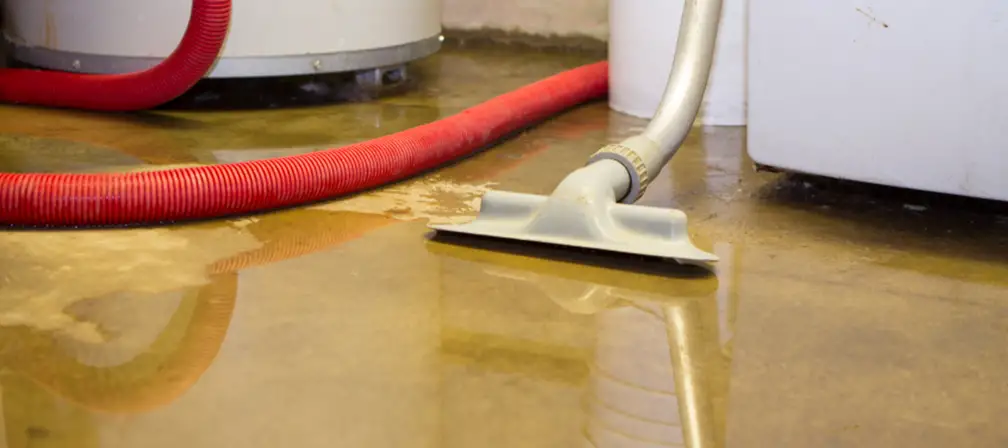
Where water has already crossed a floor, the cleanup is separate work. See Yonkers water damage restoration for that, and the Yonkers plumbing page for the rest of what this team handles.
Call About a Sump Pump in Yonkers Before the Next Storm Line
Roto-Rooter has been working on New York plumbing since 1935 and is fully licensed and insured. Call 914-920-4930 or schedule online to have the pit, the pump, the lift it is working against, the check valve and the far end of the discharge line assessed together rather than one at a time. Roto-Rooter provides on-site estimates before any work begins and answers 24/7, 365 days a year. On a sloped Yonkers lot with tenants downstairs, a tested pump is the plumbing peace of mind worth arranging in advance.

How a Pump Announces Trouble on a Sloped Lot
Steep Ground, Shallow Rock and Houses Built for Two Families
SPECIAL FINANCING AVAILABLE
We have partnered with Synchrony Bank to offer financing options to make your plumbing repair expenses as convenient and stress-free as possible.