Drain Specialists You've Trusted For Over 90 Years
Operated as an Independent Franchise - All available services, hours of operations, pricing structure, and guarantees may vary by location
Crescent City Drain Cleaning Services
Roto-Rooter has built its national reputation on reliable, no-nonsense home services since 1935 - decades of consistent diagnostics, skilled technicians, and a service catalog built around what homeowners actually need. In Crescent City, that means access to professional drain cleaning, water softener installation, and septic services backed by a brand homeowners across the country have trusted for generations. Slow drains, hard-water buildup, and septic concerns each demand a different approach, and Roto-Rooter brings the right methods to each one. Read on to see how each of these services works and what Roto-Rooter can do for your home.
Contact Roto-Rooter at 541-469-7557 or schedule service online.

Drain Cleaning Services in Crescent City, CA
Slow drains and blocked lines are among the most common household headaches - and they rarely fix themselves. Grease cools and solidifies on pipe walls. Hair binds with soap scum just past the P-trap. Tree roots push through hairline cracks at sewer lateral joints and expand over time. Each of these problems has a distinct cause, and each requires a different approach to clear it properly.
Kitchen Drain Clogs
Kitchen drains clog from the gradual layering of cooking grease that cools and solidifies on the pipe wall. Over weeks and months, food solids and soap scum add to that layer until water backs up in the sink. A cable auger breaks through the immediate blockage, but recurring kitchen clogs often call for hydro jetting - a high-pressure water flush that scours the pipe wall clean rather than simply punching a hole through the buildup.
Bathroom Drain Clogs
Hair binds with soap scum to form the classic bathroom clog just past the P-trap. Tub, shower, and sink drains all share this pattern. A hand auger or the Roto-Rooter Machine clears the obstruction quickly. When the clog sits deeper in the branch line, a camera inspection pinpoints its exact location before any work begins.
Main Sewer Line Backups
When toilets back up while the shower runs, the blockage is almost always in the main line, not the fixture. A main line backup affects multiple fixtures at once and signals that the obstruction sits between the house and the city connection. Roto-Rooter technicians diagnose the cause - roots, grease accumulation, or a structural defect - before selecting the right clearing method.
Frequently Asked Questions in Crescent City
What does hard water actually do to my water heater?
Hard water deposits scale on water heater heating elements and on the tank floor. That scale acts as insulation, forcing the heater to run longer to reach the set temperature - reducing efficiency and shortening the appliance's lifespan. A water softener installed upstream of the water heater prevents new scale from forming. Roto-Rooter can assess your current water heater condition and recommend the right softener capacity for your household's daily water use.
All my drains are slow at once - could that be my septic system and not a drain clog?
Yes. When a single drain is slow, the cause is usually a localized clog in that fixture's branch line. When all fixtures slow down at the same time, the problem is further downstream - either the main line or, in a septic home, a full tank or a failing drainfield. A full tank affects every fixture simultaneously because the system has no capacity to accept more flow. A Roto-Rooter technician can diagnose whether the issue is a line blockage or a tank that needs pumping.
How often does a septic tank actually need to be pumped?
Most septic tanks need pumping every three to five years, depending on household size and water use. Inside the tank, solids settle as sludge on the bottom while lighter material floats as a scum layer. When those layers build up too far, solids reach the outlet and flow into the drainfield, clogging the soil pores and causing drainfield failure - a far more expensive repair than routine pumping. Roto-Rooter can pump the tank and inspect the outlet for early signs of trouble.
How do tree roots get into my drain pipes, and can they be removed?
Roots enter drain lines through hairline cracks at pipe joints, drawn by moisture and nutrients inside the pipe. Once inside, they expand and eventually cause recurring clogs or even collapse the line. Roto-Rooter's cutting auger shaves roots from the pipe walls, and hydro jetting flushes the debris out. A camera inspection afterward confirms how much root intrusion remains and whether the pipe wall is structurally sound.
Why does my basement floor drain back up first whenever there's a clog?
The basement floor drain sits at the lowest point in the home's drainage system. When the main sewer line is blocked or slowed, wastewater has nowhere to go and rises back through the path of least resistance - which is that floor drain. It's actually an early warning signal. Roto-Rooter technicians address the main line blockage directly rather than just clearing the floor drain, which would only be a temporary fix.
How does a water softener actually remove hardness from my water?
A water softener uses an ion exchange resin bed. As hard water passes through, the resin swaps calcium and magnesium ions - the minerals that cause scale - for sodium or potassium ions. The result is softened water that doesn't deposit scale on appliances or fixtures. Over time the resin becomes saturated with hardness minerals and must be regenerated by flushing it with a brine solution to restore its capacity.
My toilet backs up when the shower runs. Is that a toilet problem or something bigger?
When multiple fixtures back up at the same time, the blockage is almost always in the main sewer line, not in any individual fixture. The main line carries waste from every drain in the house. When it's blocked, the lowest fixtures - tubs, showers, floor drains - back up first. A Roto-Rooter technician will auger the main line and, if needed, run a camera to identify the cause before clearing it.
How does a sewer camera inspection work and what can it find?
A technician feeds a small waterproof camera through the drain line and watches a live feed on a monitor. The camera traces the line's path and reveals the condition of the pipe - locating blockages, root intrusion, broken sections, or a belly (a low sag where solids collect). It takes the guesswork out of recurring backups by showing exactly what's causing the problem and where it sits in the line.
My kitchen drain keeps clogging every few months. Why does it keep coming back?
Kitchen drains clog from cooking grease that cools and solidifies on the pipe wall. A cable auger clears the immediate blockage but leaves a rough, greasy coating behind - and that coating catches the next round of food solids fast. Roto-Rooter's hydro jetting scours the pipe wall with high-pressure water, removing the grease layer so the clog doesn't rebuild in a few weeks. Call 541-469-7557 to schedule service in Crescent City, CA.
What is hydro jetting and when do I actually need it instead of a regular snake?
Hydro jetting uses a high-pressure water stream to scour the interior walls of a drain pipe. A cable auger punches a hole through a clog; hydro jetting removes the entire buildup - calcified grease, mineral scale, and root debris - from wall to wall. It's the right call when a drain has been cleared multiple times but keeps backing up, or when a camera inspection shows heavy scale coating the pipe.
What actually happens when a technician snakes my drain?
Mechanical augering uses a rotating cable - the Roto-Rooter Machine - to cut through and pull out blockages like hair, grease, and organic buildup. The cable reaches deep into the line, past the P-trap and into the branch pipe. It breaks up the clog so water flows freely again. For stubborn or recurring blockages, a follow-up camera inspection can confirm the line is fully clear.
Why Roto-Rooter in Crescent City, CA
Roto-Rooter has been in business since 1935. That longevity reflects something specific: a diagnostic process that does not change based on who answers the phone or which technician arrives at the door. Every Roto-Rooter call follows the same structured sequence - assess the symptom, inspect the line, identify the cause, apply the right method. Homeowners in Crescent City get the same standard of service that the brand has built its national reputation on.
Uniformed Roto-Rooter technicians arrive with the equipment to handle drain cleaning, water softener installation, and septic service - the full range of authorized services - without a separate callback or a second crew. The Roto-Rooter Machine, hydro jetting equipment, and sewer cameras are part of the standard toolkit, not an add-on. That means a technician who starts with a camera inspection can move directly to clearing the line in the same visit.
Consistent Diagnostics, Every Time
The value of a national brand is consistency. A technician dispatched to a kitchen drain backup in any market follows the same diagnostic steps: identify the clog location, assess the pipe condition, select the clearing method. There is no guesswork, no upselling a method that does not fit the problem. Camera inspection results drive the decision - not assumptions about what the pipe probably contains.
Water Softener and Septic Services
Beyond drain cleaning, Roto-Rooter handles water softener installation and septic tank service under the same dispatch network. A water softener swaps hardness minerals for sodium through an ion exchange resin bed, protecting water heater elements and appliances from scale buildup. Septic tanks need pumping every 3-5 years to remove sludge and scum layers before they reach the outlet and compromise the drainfield. Both services are available through the same Roto-Rooter call.
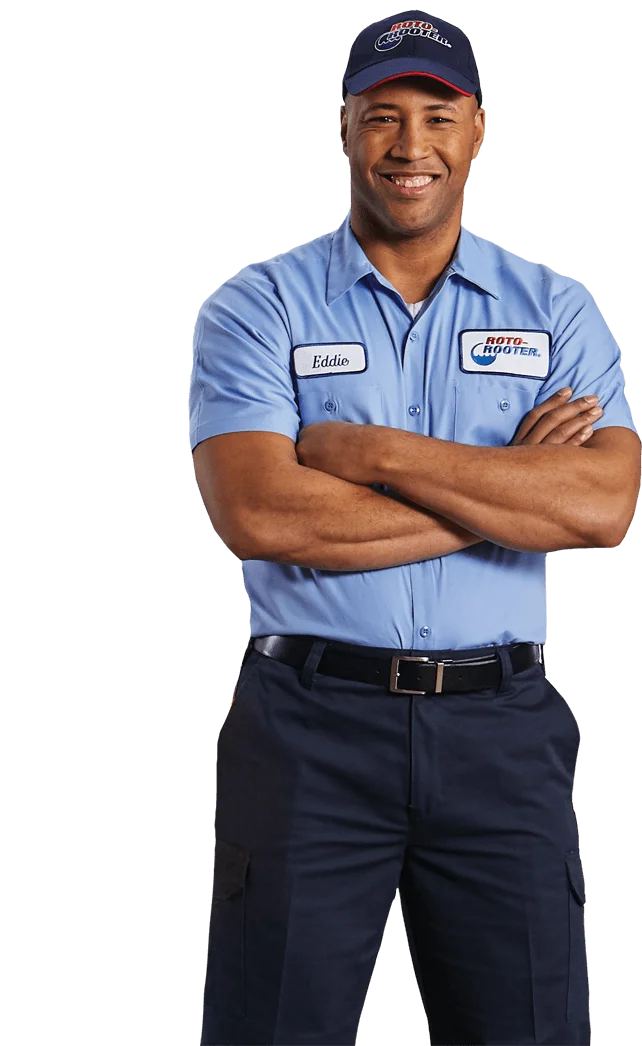
Roto-Rooter's dispatch network connects homeowners in Crescent City directly to technicians trained in the brand's national diagnostic standards. There is no guessing about who shows up - every technician arrives uniformed, equipped, and following the same structured process the brand has refined over decades of service calls across the country.
For drain cleaning, water softener installation, or septic service, one call reaches the right crew. Reach Roto-Rooter at 541-469-7557 to schedule service in Crescent City, CA.