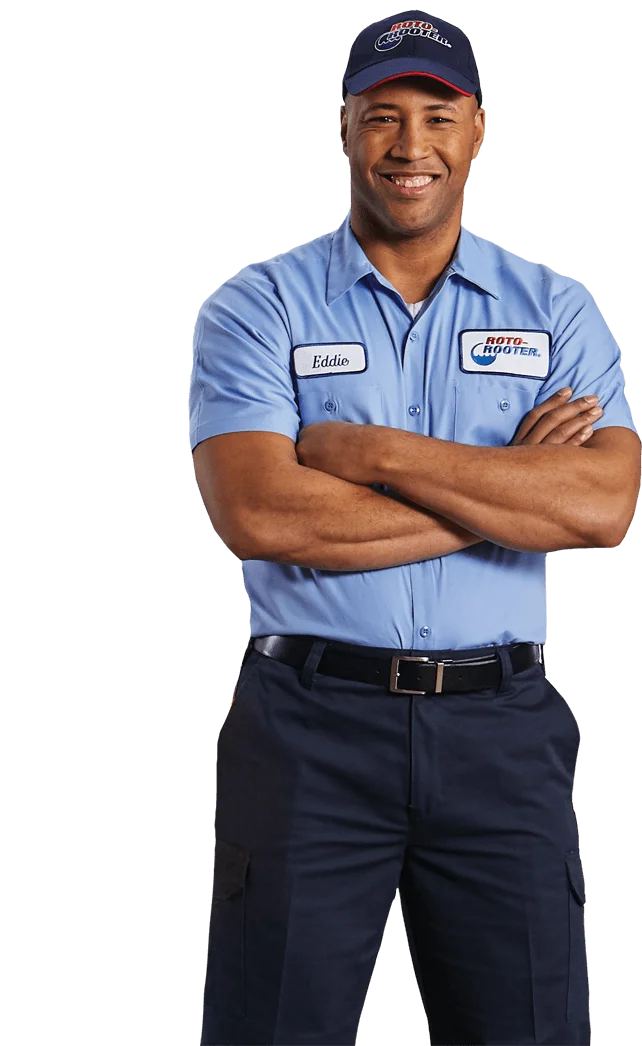
Plumbers You've Trusted For Over 90 Years
Operated as an Independent Franchise - All available services, hours of operations, pricing structure, and guarantees may vary by location
Lynchburg Plumbing & Drain Services
Roto-Rooter has built its reputation on reliable plumbing service since 1935, growing into one of the most recognized names in the industry through consistent, professional work on the jobs that matter most to homeowners. In Lynchburg, that same national standard applies - whether a drain is backing up, a water heater is failing, a softener needs installation, or a septic system requires attention, Roto-Rooter brings a structured diagnostic approach and the right equipment to address the problem correctly. The services below cover each category in detail, from routine maintenance to more involved repairs.
Contact Roto-Rooter at 434-525-2315 or schedule service online.

Common Plumbing Issues in Lynchburg, VA
Plumbing problems rarely announce themselves. A faucet drips for weeks before a homeowner notices the water bill climb. A drain slows gradually until one morning the tub won't empty. Roto-Rooter's diagnostic process is built around identifying the actual source of these problems - not just treating symptoms - so the fix holds.
Leaks and Water Pressure Problems
Hidden leaks are among the most damaging plumbing failures a household faces. Water escaping behind a wall or beneath a slab can go undetected for weeks. Roto-Rooter technicians trace these leaks using moisture meters and systematic visual inspection at fixture connections, shutoff valves, and supply lines. Low water pressure is a related concern: a pressure reducing valve that has drifted out of range, a partial blockage in the supply line, or an undetected leak can all reduce flow at every fixture in the home.
Water Heater Failures
A rumbling sound during a heating cycle points to sediment layering on the tank bottom - a condition that forces the burner to work harder and shortens the unit's life. Roto-Rooter evaluates the anode rod, thermostat, pressure relief valve, and heating element to determine whether a repair resolves the issue or whether the unit has reached the end of its useful life.
Serving the entire Lynchburg metro area, Including:
Counties in the Lynchburg Metro Area
Professional Memberships:
Plumbing Licenses:
Frequently Asked Questions in Lynchburg
What are the warning signs that a septic system is failing before it backs up into the house?
Early signs include slow drains affecting all fixtures at once, gurgling sounds from toilets, and unusually lush or wet patches of grass over the drainfield area. A full tank affects every drain in the house simultaneously, while a drainfield problem often shows up as soggy ground above the leach lines. Roto-Rooter can pump the tank, inspect the outlet baffle, and assess whether the drainfield is still accepting effluent properly.
My toilet runs constantly. Is that a big deal, or can I ignore it?
A running toilet typically means the flapper at the bottom of the tank isn't sealing properly, or the fill valve is failing to shut off at the correct water level. Both let water flow continuously from the tank into the bowl. Beyond the water waste, a deteriorating flapper can deposit mineral debris that eventually clogs the flush valve seat. A Roto-Rooter technician can diagnose which component has failed and replace it on the same visit.
How often does a septic tank actually need to be pumped?
Most septic tanks need pumping every three to five years, though household size and water usage affect that interval. Solids accumulate in two layers - sludge at the bottom and scum at the top. When those layers build up too far, solids reach the outlet pipe and flow into the drainfield, where they clog the soil pores and cause drainfield failure. Regular pumping removes both layers before they reach that threshold.
Tree roots keep getting into my sewer line. Can anything actually fix that long-term?
Roots enter drain lines through hairline cracks at pipe joints and expand as they absorb moisture from inside the pipe. Mechanical augering cuts the roots back, but it doesn't remove the entry point. A sewer camera inspection after clearing reveals whether the intrusion is from a crack, a separated joint, or a collapsed section. Depending on what the camera shows, Roto-Rooter can recommend augering, hydro jetting, or a pipe repair to address the source.
What actually happens during hydro jetting, and is it safe for my pipes?
Hydro jetting sends a high-pressure water stream through the pipe to scour the walls clean. It removes calcified grease, mineral scale, and root debris that a cable auger pushes through but leaves behind. A Roto-Rooter technician runs a camera inspection first to confirm the pipe is structurally sound before applying pressure, making the process effective without risking damage to older lines.
How do I know if the clog is in my main sewer line and not just one fixture?
A single slow drain usually points to a localized blockage at the fixture's P-trap or branch line. When multiple fixtures back up at the same time - toilets gurgling while a tub drains slowly, for example - the blockage is almost always in the main line between the house and the city connection. Roto-Rooter uses a sewer camera to confirm the location and cause before clearing it.
How does a water softener actually remove hardness from my water?
A water softener uses an ion exchange resin bed to swap calcium and magnesium ions - the minerals that cause hardness - for sodium or potassium ions as water passes through the tank. The resin has a finite capacity, so the system periodically runs a regeneration cycle, flushing the accumulated hardness minerals out with a brine solution to restore the resin's ability to exchange ions.
Why does my water heater make a rumbling noise when it heats up?
That rumbling usually means sediment has settled on the tank floor. As the burner heats the water, it forces through the accumulated layer and creates that popping or rumbling sound. Over time, sediment insulates the burner from the water, reducing efficiency and stressing the tank wall. A Roto-Rooter technician can flush the tank to clear the buildup and inspect the anode rod and pressure relief valve while on-site.
What causes low water pressure throughout the whole house, not just one faucet?
House-wide low pressure usually points to one of three sources: a partially closed main shutoff valve, a failing pressure reducing valve that no longer maintains the correct downstream pressure, or a supply line leak that's bleeding pressure before it reaches the fixtures. A Roto-Rooter technician checks the PRV setting, inspects the shutoff position, and traces the supply line to identify which component is causing the drop.
My kitchen drain clogs every few months. Why does it keep coming back?
Kitchen drains clog from cooking grease that cools and solidifies on the pipe wall in layers. A standard auger clears the immediate blockage but leaves that grease coating intact, so buildup resumes quickly. Roto-Rooter's hydro jetting scours the pipe wall down to the original interior surface, removing the residue that feeds recurring clogs. Call 434-525-2315 to schedule service in Lynchburg, VA.
Why Homeowners in Lynchburg, VA Choose Roto-Rooter
Roto-Rooter has been in business since 1935. In that time, the company built its national reputation on one principle: the diagnostic process comes before the repair. A technician who understands why a drain keeps backing up - not just that it backs up - delivers a fix that lasts.
That process is consistent across every market Roto-Rooter operates in. Uniformed technicians arrive with the equipment to clear, inspect, and assess. Camera inspection confirms what a visual check cannot. Hydro jetting addresses buildup that augering alone leaves behind. Water heater evaluation covers every component - anode rod, thermostat, pressure relief valve - before a recommendation is made. The same structured approach applies to water softener installation and septic tank service.
A National Standard, Applied Locally
The value of a national brand is consistency. Roto-Rooter's dispatch network connects homeowners in Lynchburg to technicians trained on the same diagnostic protocols used across the country. There is no guesswork about what the process looks like or what the technician will check. Every service call follows the same structured path from initial assessment to completed repair.
Roto-Rooter also covers the full range of authorized services under one dispatch call - plumbing repair, drain cleaning, water softener installation, and septic pumping. Homeowners do not need to coordinate multiple contractors when one service call can address the underlying problem and any connected issues the inspection uncovers.
Plumbing problems do not improve with time. A slow drain becomes a full backup. A dripping shutoff valve corrodes the fitting beneath it. A septic tank that missed its last pumping cycle pushes solids toward the drainfield. The right time to call is before the problem compounds.
Roto-Rooter's technicians arrive prepared to diagnose and act - not to schedule a follow-up visit for the actual work. The goal on every call is a resolved problem, not a deferred one.
Reach Roto-Rooter at 434-525-2315 to schedule plumbing, drain cleaning, water softener, or septic service in Lynchburg, VA. The same national diagnostic standard that has defined the brand for decades is the standard applied on every call.