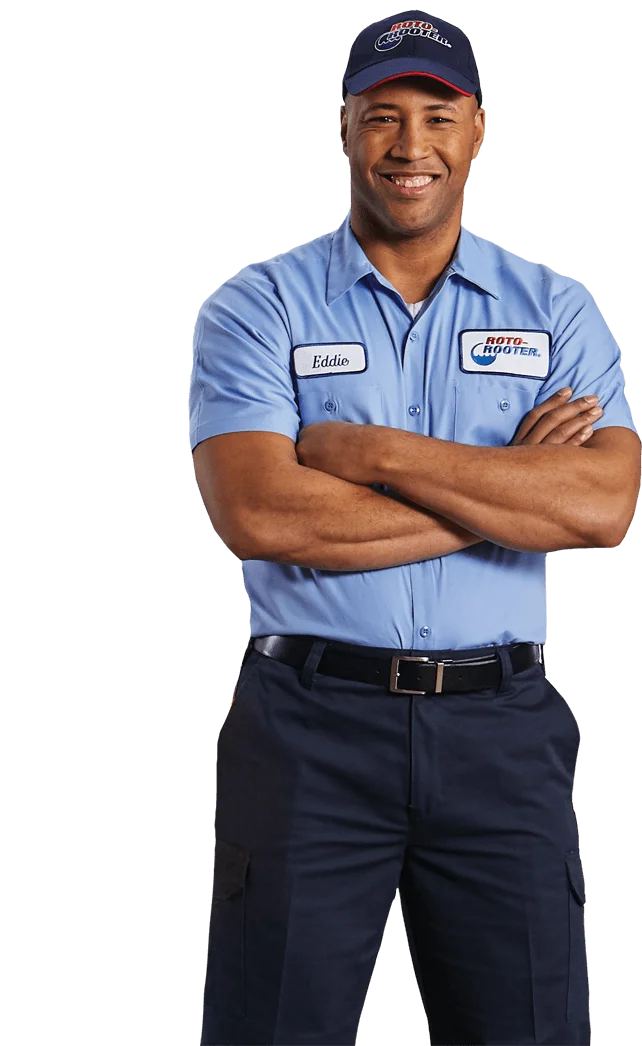
Plumbers You've Trusted For Over 90 Years
Operated as an Independent Franchise - All available services, hours of operations, pricing structure, and guarantees may vary by location
South Charleston Plumbing & Drain Services
Roto-Rooter has built its reputation on reliable, no-nonsense plumbing service since 1935 - growing into one of the most recognized plumbing brands in the country by focusing on what homeowners actually need: skilled diagnostics, clear communication, and work done right. In South Charleston, that same national standard applies to every job, from a drain that backs up without warning to a water softener that stops conditioning properly or a septic system showing signs of strain. The sections below cover each service Roto-Rooter provides, what to watch for, and how to get a technician on the line.
Contact Roto-Rooter at 304-346-6409 or schedule service online.

Common Plumbing Issues in South Charleston, WV
Household plumbing problems rarely announce themselves. A slow drain becomes a full backup. A minor drip under the sink turns into a soaked cabinet floor. Roto-Rooter diagnoses these issues at the source - not just the symptom - so repairs hold.
Leaks and Pipe Failures
Hidden leaks are among the most damaging plumbing failures because they go undetected for weeks. A Roto-Rooter technician locates hidden leaks with moisture meters and visual inspection at fixture connections, supply lines, and behind walls. Galvanized steel pipes corrode from the inside and restrict water flow as they age - a slow process that often shows up first as discolored water or reduced pressure at the tap.
Water Heater Problems
Sediment buildup on the tank bottom causes rumbling noises and reduces heating efficiency. A Roto-Rooter technician inspects the anode rod, thermostat, and pressure relief valve to determine whether a repair or full replacement is the right call. Both tank and tankless units develop failures that produce lukewarm water, inconsistent temperature, or visible corrosion at the connections.
Frequently Asked Questions in South Charleston
How often does a septic tank actually need to be pumped?
Most septic tanks need pumping every three to five years, though household size and water usage affect that timeline. Sludge and scum layers accumulate at the bottom and top of the tank. When those layers get too thick, solids reach the outlet pipe and move into the drainfield - clogging the soil pores and causing a much more expensive failure. Scheduled pumping prevents that from happening.
My toilet keeps running after I flush. Is that a big deal?
A constantly running toilet wastes a significant amount of water and usually points to one of two worn parts: the flapper, which seals the tank to the bowl, or the fill valve, which controls refilling. Both are inexpensive components, but an improperly seated flapper can also let water seep silently into the bowl without any audible running sound. A Roto-Rooter technician diagnoses and replaces the faulty part quickly.
What's the difference between a low-pressure problem and a pipe clog?
Low water pressure at a single fixture usually points to a clog or buildup at that fixture's aerator or supply valve. Low pressure throughout the whole house suggests a different cause - a failing pressure reducing valve, a partially closed main shutoff, or a supply line leak losing pressure before it reaches your fixtures. A Roto-Rooter technician traces the pressure drop systematically to find the correct source rather than guessing.
Is it worth having a sewer camera inspection done if my drains seem fine?
A camera inspection reveals conditions that don't produce symptoms yet - pipe bellies where solids collect, early-stage root intrusion, or hairline cracks that will worsen over time. Catching a developing problem before it causes a full backup is far less disruptive than emergency clearing. Call 304-346-6409 to schedule a Roto-Rooter camera inspection in South Charleston, WV.
Why does my water heater make a rumbling noise when it heats up?
Sediment - mostly calcium and mineral deposits - settles on the tank floor over time. As the burner heats the water, it has to push through that layer, creating a rumbling or popping sound. Left alone, the buildup reduces heating efficiency and can shorten the tank's life. A Roto-Rooter technician flushes the sediment, inspects the anode rod, and checks the pressure relief valve to restore proper operation.
Can hydro jetting actually clear a grease clog, or will it just come back?
A cable auger punches through a grease clog but leaves a coating on the pipe wall that rebuilds quickly. Hydro jetting sends a high-pressure water stream that scours the pipe wall clean - removing calcified grease, soap scum, and mineral scale down to the pipe surface. The result lasts significantly longer because there's no residue left for new buildup to grip.
How do tree roots get into my drain line?
Roots enter through hairline cracks or small gaps at pipe joints - common in older clay or cast iron sewer laterals. Once inside, roots absorb moisture from the pipe and expand, eventually causing recurring clogs or even a crushed line. Roto-Rooter's sewer camera inspection identifies exactly where roots have intruded, and the Roto-Rooter Machine cuts through the root mass to restore flow.
What actually causes a main sewer line backup?
A main sewer line backup means something is blocking the line between your house and the city main. Common causes include tree root intrusion at pipe joints, a grease and debris buildup, or a collapsed section of pipe. The clearest symptom is multiple fixtures backing up at the same time - toilets gurgling while a shower drains, for example. Roto-Rooter uses a sewer camera to locate the exact problem before clearing it.
Why does my basement floor drain back up during heavy use?
The basement floor drain sits at the lowest point in your home's drainage system, so it's the first fixture to show signs when the main line is partially blocked. Slow drainage or backflow during laundry or heavy fixture use usually means the main sewer line has a restriction - root intrusion, grease buildup, or a partial collapse. Roto-Rooter's camera inspection identifies the cause before any clearing work begins.
What is a water softener actually doing to my water?
A water softener uses an ion exchange resin bed to swap hardness minerals - calcium and magnesium - for sodium or potassium ions as water passes through. The result is softer water that produces better lather, leaves fewer spots on fixtures, and reduces scale buildup on water heater elements. The resin periodically regenerates by flushing accumulated minerals with a brine solution, restoring its capacity automatically.
How do I know if I have a hidden water leak behind my walls?
Soft drywall, unexplained spikes in your water bill, musty odors, or a water meter that keeps moving when all fixtures are off are the main warning signs. A Roto-Rooter technician uses moisture meters and a systematic visual inspection to trace the source - whether it's a pinhole in a supply line, a loose fitting, or a failing shutoff valve - before the damage spreads further.
Why Roto-Rooter in South Charleston
Roto-Rooter has been in business since 1935. That span represents decades of refining a diagnostic process that works the same way regardless of which market a technician is dispatched to - the same inspection sequence, the same repair standards, the same expectation that the work is done right before the truck leaves.
Consistent Process, Every Visit
Every Roto-Rooter technician arrives in a clearly marked vehicle and follows a structured diagnostic process. The technician identifies the root cause first - not the fastest fix - and explains the findings before work begins. That approach applies to a backed-up main line, a failing water heater, a septic system that needs pumping, or a drain that keeps slowing down after every DIY attempt.
National Scale, Direct Dispatch
Roto-Rooter's dispatch network connects homeowners directly to a technician without a call center runaround. The same brand that built its reputation on drain cleaning has expanded to cover the full range of residential plumbing needs - leak detection, pipe repair, water softener installation, and septic service - under one dispatch call.
No Guesswork on Scope
Roto-Rooter technicians carry the equipment to handle the job on the visit - augers, hydro jetting equipment, and camera inspection tools. A tree root intrusion, a grease-packed kitchen drain, and a main sewer backup each require a different tool. Arriving prepared means fewer return trips and a faster resolution for the homeowner.
Roto-Rooter's national standards mean a homeowner in South Charleston gets the same diagnostic rigor and repair process that the brand has applied across the country for decades. There is no variation in how a technician inspects a pressure relief valve, traces a hidden leak, or assesses a septic tank - the process is consistent because the brand requires it to be.
For plumbing, drain cleaning, water softener installation, or septic service, reach Roto-Rooter at 304-346-6409. A technician will diagnose the problem at the source and walk through the repair options before any work begins.