Commercial Backflow Installation
A new backflow preventer has to be matched to your property's application and the level of hazard your connection presents, connected correctly, and signed off where local code requires it. This applies equally to a new build coming online and an existing property whose current setup no longer meets code.
Roto-Rooter installs commercial backflow preventers for new construction and retrofits nationwide. Call us today to find out how we can support your backflow installation.
We’re available with same-day and 24/7 emergency services to ensure your business can run smoothly all the time, any time.

Where Are Backflow Preventers Typically Installed?
- At the main water service entry to the building
- On dedicated irrigation lines
- On fire suppression and sprinkler system feeds
- On boiler and cooling system connections
- Ahead of chemical feed, medical, or lab equipment with a cross-connection
Which Backflow Preventer Type Does My Property Need?
The device must suit the hazard, pressure conditions and local approval requirements. RPZ assemblies protect against both backsiphonage and backpressure in approved higher-hazard applications. Double check valve assemblies also protect against both pressure conditions, but are used where approved for lower hazards. Vacuum breakers provide backsiphonage protection and are not substitutes where backpressure is possible.
See our commercial backflow preventer guide and RPZ guide. Your water authority determines which protection is accepted for the connection.
Explore Commercial Backflow Services
Backflow services | Testing | Inspection | Installation | Repair
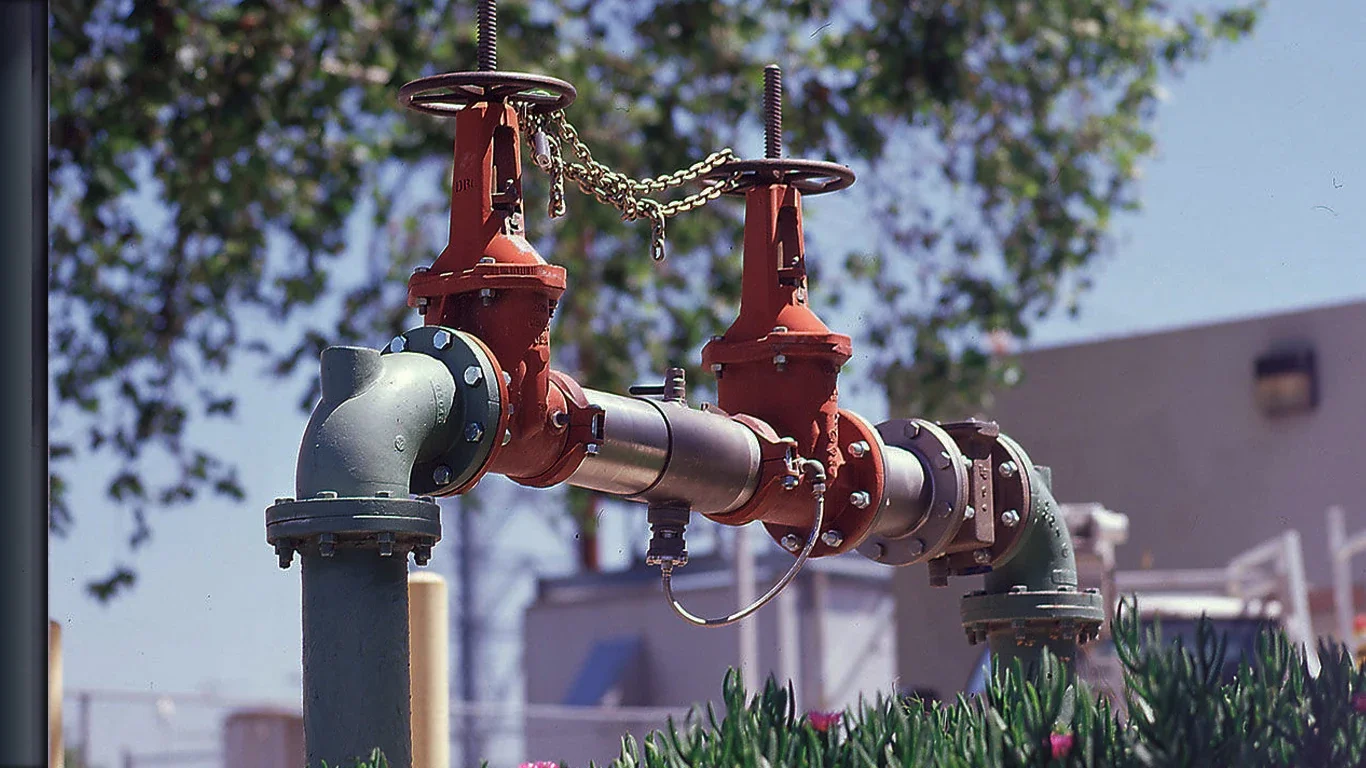
New Construction and Retrofits
How Long Does a Backflow Installation Take?

Backflow Installation - Customer Reviews
Frequently Asked Questions
How do I know which type of backflow preventer my property needs?
It depends on the degree of hazard your connection presents and what your local water authority requires. A technician can assess your property and recommend the right device.
Is a permit required to install a backflow preventer?
In many jurisdictions, yes. Requirements vary by location, and Roto-Rooter's technicians can confirm what applies to your property.
Does a new installation need to be tested?
Testing and inspection requirements after installation depend on the assembly and local water authority. Your service team can explain which checks and documentation apply to your installation.
Can Roto-Rooter install a backflow preventer for new construction?
Yes, Roto-Rooter installs backflow preventers for both new construction and retrofits on existing commercial properties.
Do you install backflow preventers on irrigation systems?
Yes, irrigation is one of the common applications for a backflow preventer; the specific device type depends on your local code.