Commercial Backflow Testing
If your annual compliance notice just came due, or your water authority flagged your property, Roto-Rooter provides the backflow testing service you need.
Backflow testing is the recurring functional check on a backflow preventer that's already installed: it confirms the device is still holding pressure and blocking reverse flow correctly. This is a compliance service on an existing device, not an installation or a repair.
Roto-Rooter provides 24/7, 365 days a year support: available today for your backflow testing needs.
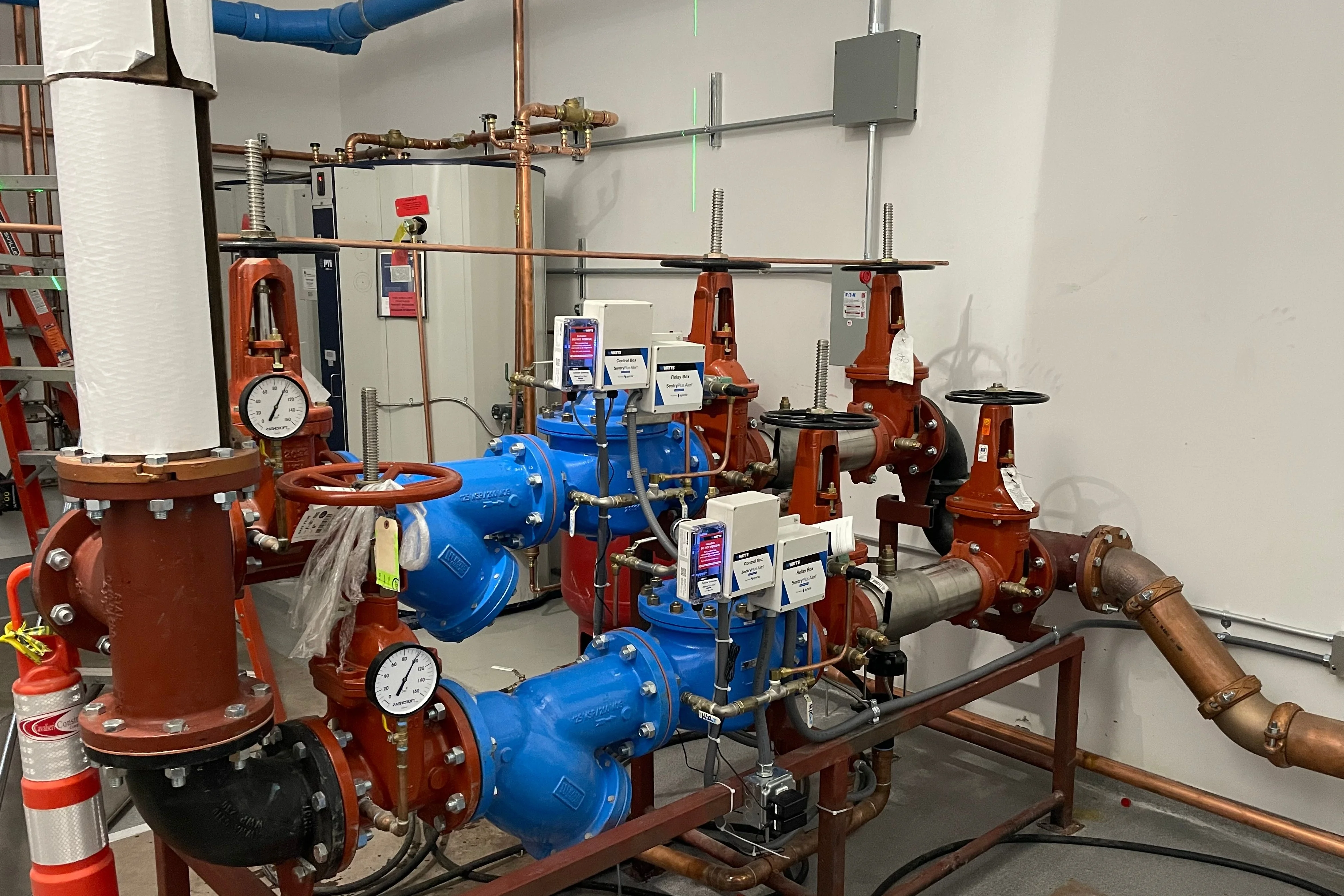
What Happens During a Backflow Test?
- Locating and identifying the installed device and its type
- Applying calibrated test equipment to check that each internal check valve holds and releases pressure correctly
- Confirming the device blocks reverse flow under a pressure change
- Documenting the results and submitting them to the local water authority, where that's required
Who Is Required to Test Their Backflow Preventer?
Most commercial properties with a backflow preventer are required to have it tested on a recurring basis by their local water authority. This applies broadly to restaurants, healthcare facilities, food service operations, car washes, irrigation systems, and any connection where a water authority has determined there's a contamination risk. The exact schedule and reporting requirements vary by state, city, and utility, so confirm the specifics for your property with your local water authority or a Roto-Rooter technician.
Common Connections That Require Testing
- Irrigation systems, one of the most common testable connections on commercial and multi-family properties
- Fire suppression and sprinkler lines
- Commercial kitchen equipment at restaurants and food service properties
- Medical and lab equipment at healthcare facilities
- Boiler and cooling systems
- Car wash and vehicle service equipment
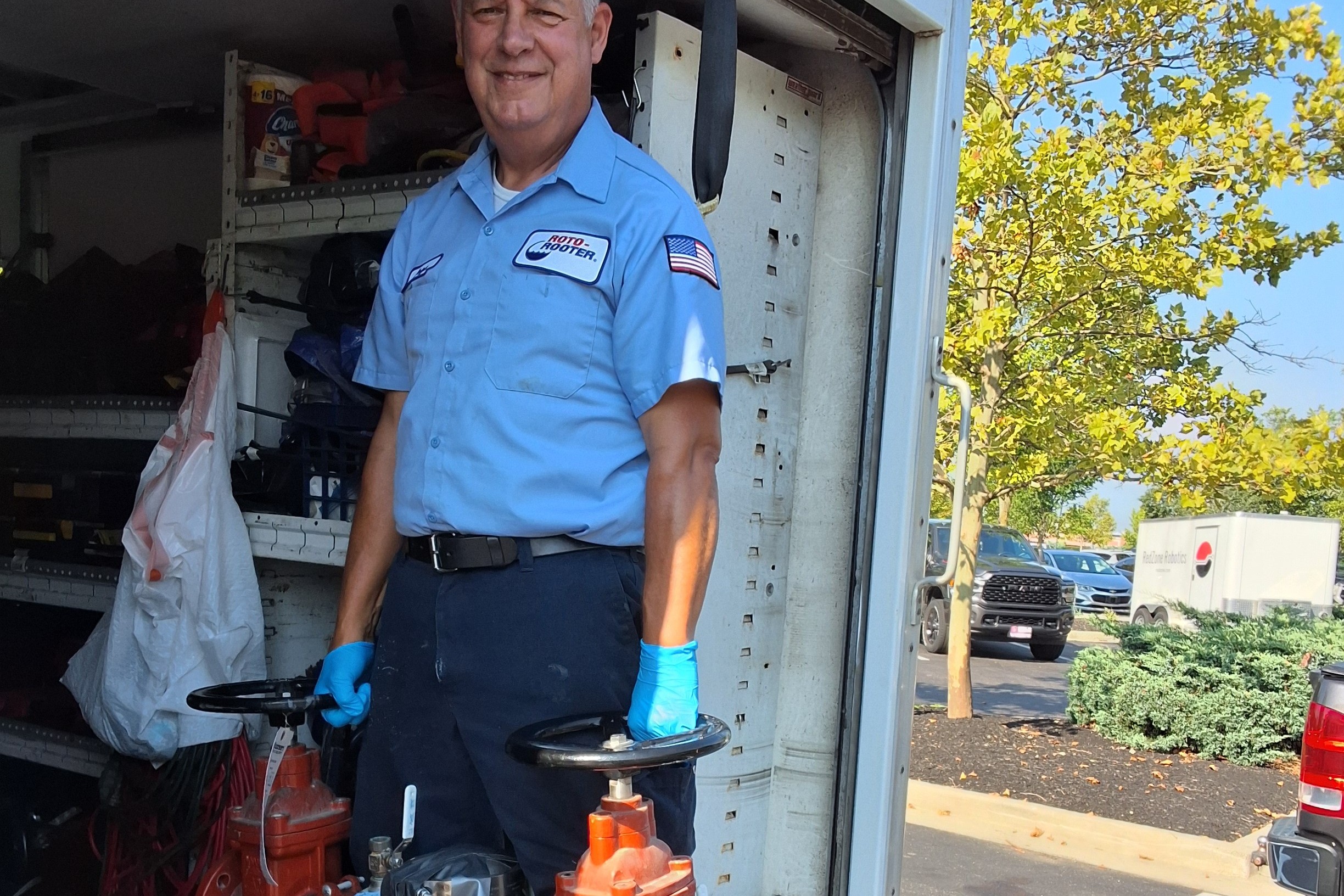
What to Have Ready Before Your Testing Appointment
What If My Backflow Preventer Fails Testing?
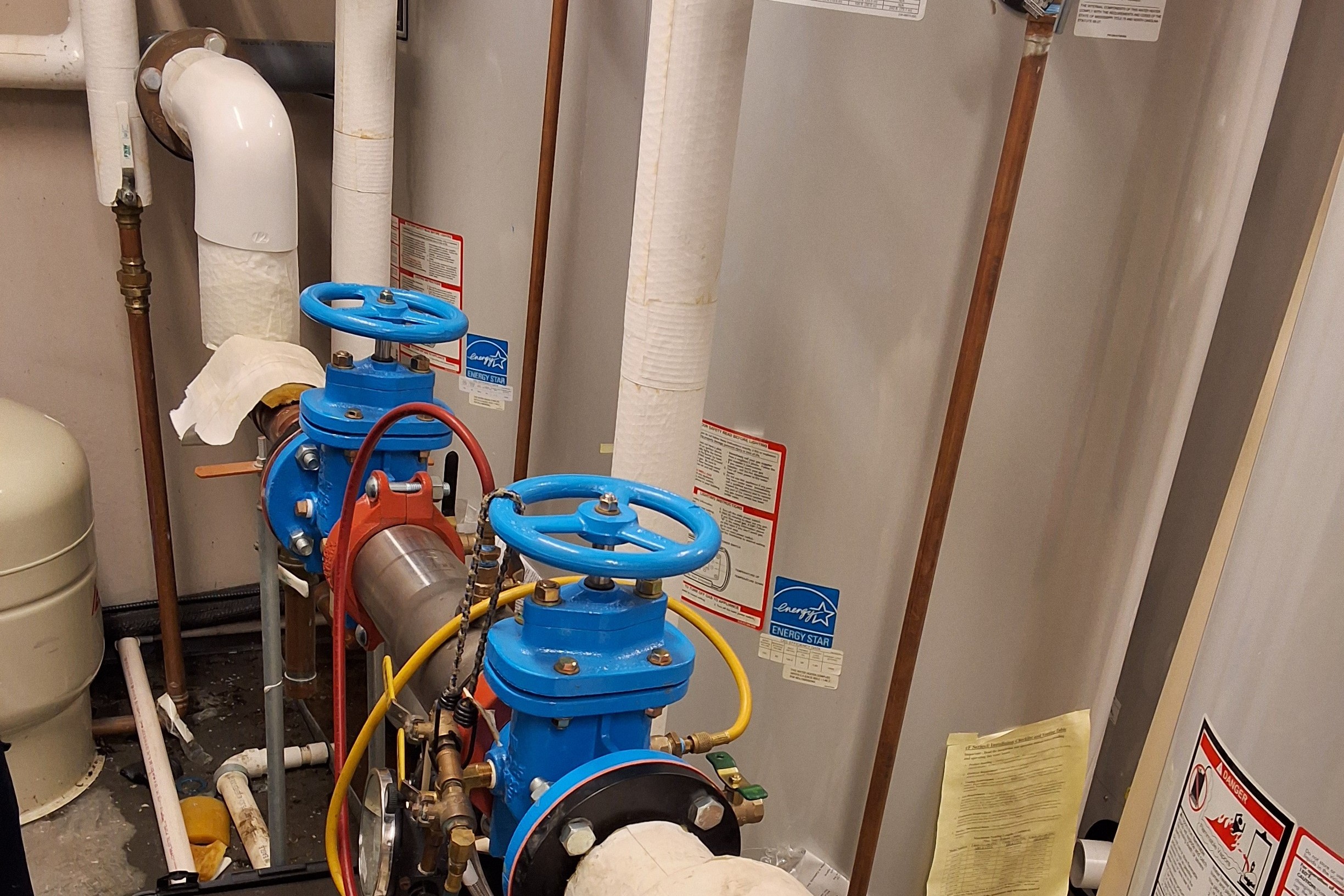
Backflow Testing - Customer Reviews
Frequently Asked Questions
How is a backflow preventer tested?
A certified technician uses calibrated test equipment to check that each check valve in the device holds pressure and blocks reverse flow, then records the results.
How often does testing need to happen?
Requirements vary by jurisdiction and by your local water authority. Confirm the exact schedule for your property with your water utility or your Roto-Rooter technician.
Does backflow testing require a permit or inspection sign-off?
In many jurisdictions the results have to be submitted to the local water authority. Requirements vary by location, and your technician can confirm what applies where you're located.
What happens if my device fails the test?
A failed device needs repair or replacement before it's compliant. A technician can assess the failure and recommend the right fix.
Do I need to be on-site for the test?
A facilities contact who can grant access to the device's location is typically all that's needed; check with your Roto-Rooter technician when scheduling.